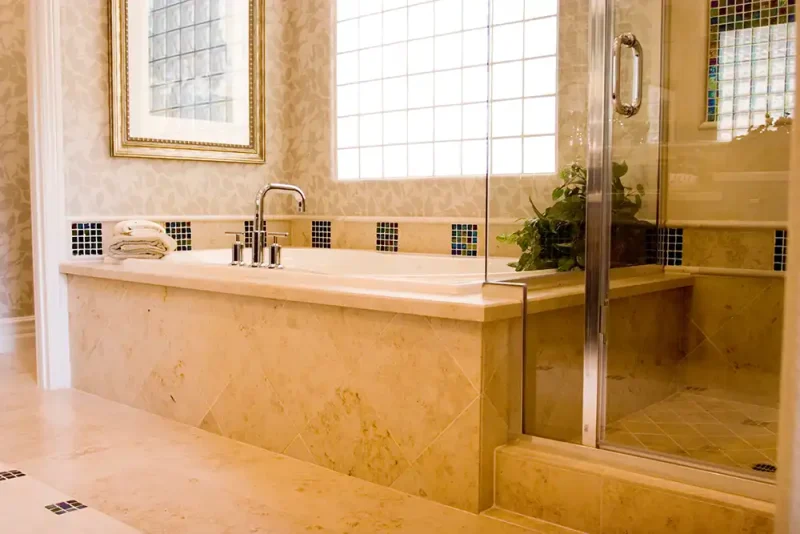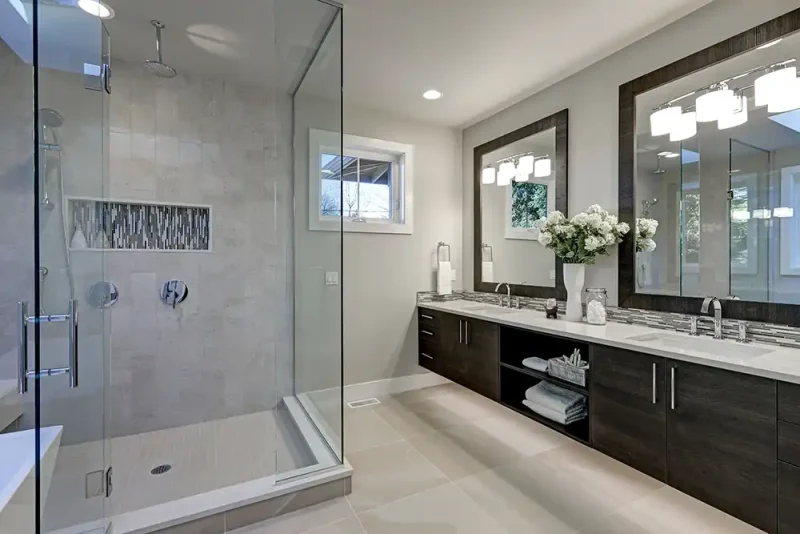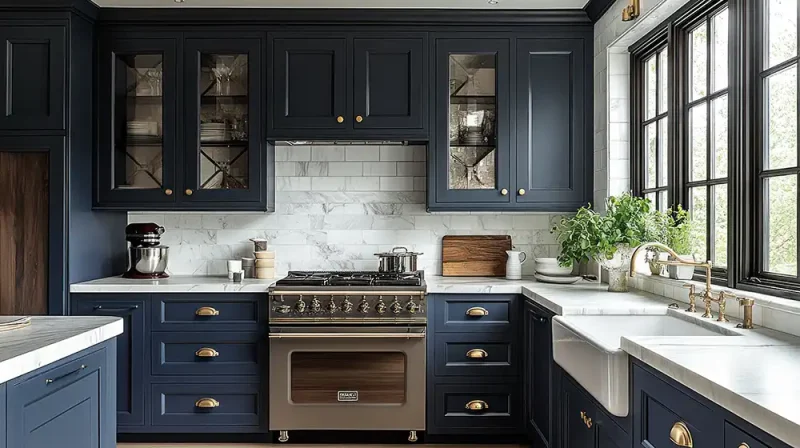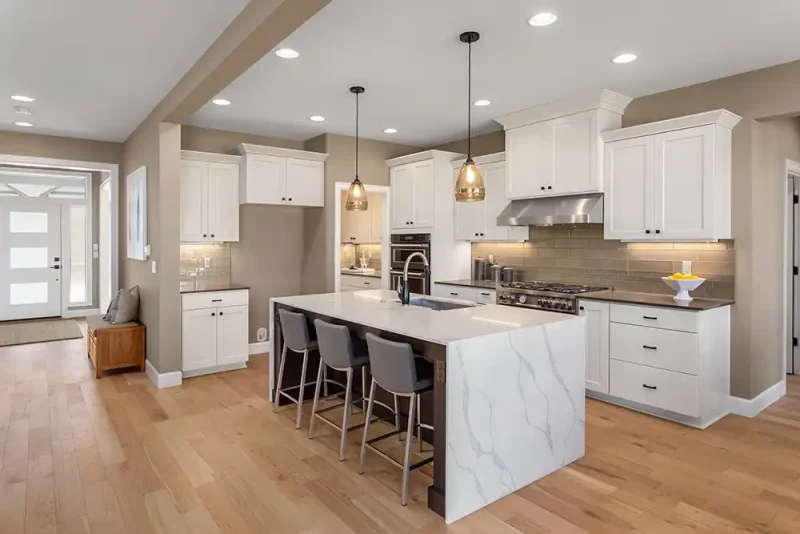
HLS Construction Group, LLC

Get A Quote

Here To Build With Honesty

(361) 549-1068Contact Us Today
  1. What to Expect During a Home Remodel

    A home remodel can completely transform the way you live, but the process involves far more than selecting paint colors or new appliances. Understanding what happens from the moment you begin planning to the day you walk into your finished space helps reduce stress and keeps expectations realistic. Remodeling is a multi-stage journey that blends creativity, coordination, and technical expertise, and knowing how each phase unfolds allows you to approach the project with confidence.
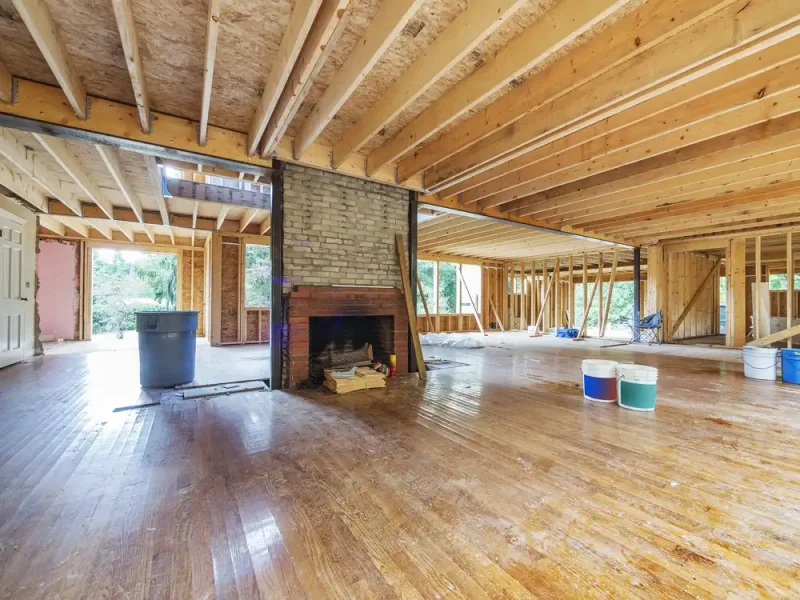
    full remodel renovation

    The Initial Consultation and Vision Planning

    Every remodel begins with a conversation designed to clarify goals, address challenges, and set priorities. During this stage, you’ll discuss what isn’t working in your current layout, what you hope to improve, and what style speaks to you. Contractors or design-build teams typically conduct an on-site evaluation to take measurements and assess any existing issues that could influence the project. You don’t need to have all the answers yet; this is the time to share inspiration, ask questions, and start shaping a clear direction for the remodel.

    Design, Planning and Pre-Construction

    Once the vision is established, the project moves into the design phase, where ideas are translated into floorplans, renderings, and finish selections. Choices about cabinetry, tile, lighting, and structural layout become more refined as the plan takes shape. During this period, your contractor also prepares budgets, timelines, and a detailed scope of work. Permits and approvals are handled as needed, ensuring everything complies with local building codes before construction begins. Although this stage can feel slow because so much happens behind the scenes, it lays the foundation for a smooth project once work starts.

    Preparing Your Home for Work

    Before crews arrive, the home must be prepped for construction. This often involves clearing out rooms, securing valuables, and arranging temporary setups if kitchens or bathrooms will be out of service. Contractors usually install protective coverings, dust barriers, and floor protection to keep unaffected areas safe. Despite these precautions, some level of noise, dust, and disruption is normal, so planning ahead helps make daily routines easier to manage while the remodel is underway.
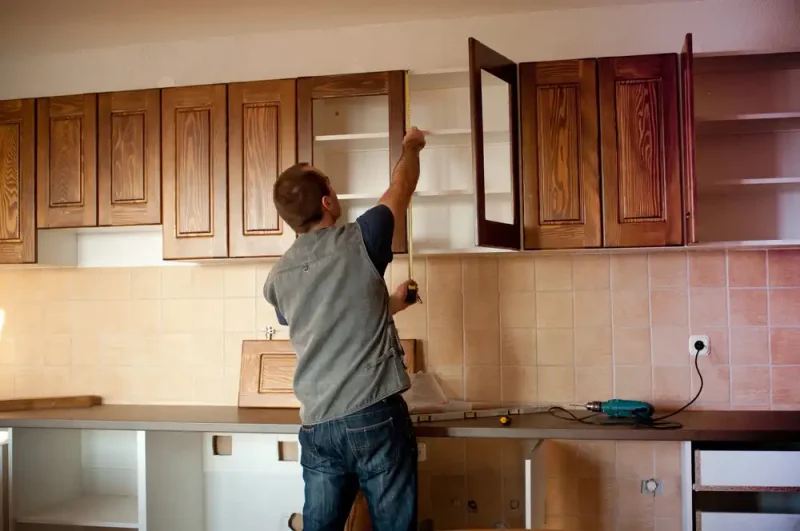
    new kitchen almost complete

    Demolition and Opening the Space

    Demolition marks the moment when the remodel becomes real. Old materials, outdated fixtures, flooring, and sometimes walls are removed to make way for the new design. This stage can be noisy and messy, and it’s also when hidden issues occasionally emerge, such as outdated wiring, water damage, or structural weaknesses. If anything unexpected comes up, your contractor will explain the options and discuss any changes that may affect the timeline or cost. Discoveries like these are common in remodeling and are resolved before moving forward.

    Structural, Mechanical and Behind-the-Walls Work

    After demolition, crews focus on the essential structural and mechanical elements that support the new layout. This may include framing new walls, relocating plumbing lines, updating electrical systems, or adjusting HVAC components. Although you won’t see major visual changes yet, this stage is critical to the long-term safety and performance of your home. Inspections may take place as required to ensure everything meets code before the walls are closed up and finishing work begins.

    Drywall, Flooring and Interior Build-Out

    Once the behind-the-walls work is approved, the remodel shifts into the phase where the space begins to look like a home again. Drywall is hung and finished, flooring is installed, and cabinetry, trim, doors, and built-ins start taking shape. Color, texture, and structure become more visible, making this one of the most exciting parts of the remodel. Progress often feels faster during this period because the transformation is easier to see.
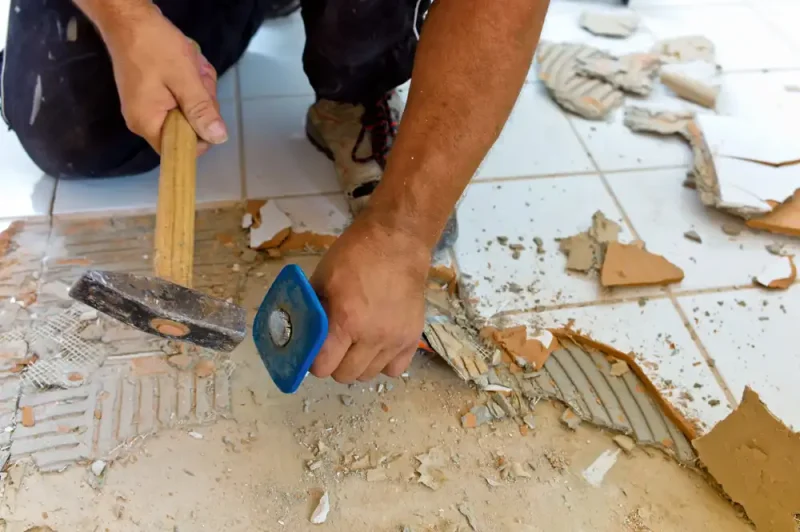
    removing kitchen tile

    Fixtures, Details and Finishing Touches

    As the project nears completion, the focus turns to fine craftsmanship and detail. This is when lighting fixtures, plumbing hardware, countertops, backsplashes, and appliances are installed. Hardware is attached, paint is perfected, and surfaces are polished. These finishing touches bring the design together and reveal the full personality of your remodeled space. Each detail is carefully checked to ensure it aligns with the original vision.

    Final Walkthrough and Completion

    When construction wraps up, your contractor will walk through the space with you to review the work and identify any final adjustments needed. These small fixes, known as punch-list items, ensure everything looks and functions exactly as it should. Once these items are completed, the remodel is officially considered finished, and you’ll receive any necessary documentation, warranties, or care instructions for your new materials and fixtures.

    Enjoying Your Newly Remodeled Home

    With the dust settled and the work complete, you can finally enjoy the comfort and beauty of your transformed home. A well-executed remodel enhances not only the function and aesthetics of your space but also its long-term value and livability. The process may be complex, but with clear expectations and the right team, the journey can be just as rewarding as the finished result.

  2. Remodel or Move? How to Decide What’s Right for You

    At some point, nearly every homeowner faces the big question: should you remodel the home you’re in, or pack up and move into something new? Maybe you love your neighborhood but need more space. Maybe your kitchen feels outdated, or your home just doesn’t function the way your family needs it to. Whatever the reason, deciding whether to remodel or move is one of the biggest financial and emotional decisions you’ll make as a homeowner. At HLS Construction, we’ve helped families on both sides of this decision—those ready to reimagine their current home and those preparing to sell and start fresh. The best choice depends on your goals, your budget, and what truly matters most to you.

    remodeling concept

    Understand What’s Driving the Change

    Before you make any big decisions, take a step back and ask yourself what’s prompting the idea of change. Are you outgrowing your home, or are you just tired of its design? Do you want a better layout, or do you need to be in a new school district? If you’re mostly unhappy with the look or functionality of your space—like an outdated kitchen, closed-off floor plan, or lack of storage—a remodel could easily solve those problems. But if your frustrations come from location-based issues like long commutes, limited yard space, or changing family needs, a move might make more sense. Being clear on your motivation helps you make a decision based on what will truly improve your lifestyle, not just what feels exciting in the moment.

    Why Remodeling Might Be the Better Move

    Remodeling gives you the opportunity to transform the home you already love into something that fits your life perfectly. You keep your familiar neighborhood, your established routines, and the memories you’ve built, while upgrading the parts of your home that no longer work for you. One of the biggest advantages of remodeling is customization. You’re not settling for someone else’s vision—you’re creating your own. You can open up walls for a modern floor plan, design the kitchen you’ve always wanted, or finally add that master suite or home office. You decide what stays and what goes, and you end up with a space tailored exactly to your needs. Remodeling also comes with emotional benefits. For many homeowners, their current house holds sentimental value. Maybe it’s where your kids grew up or where you’ve spent years investing in your yard and community. Renovating allows you to preserve those connections while making your home feel new again. From a financial standpoint, remodeling can often be more cost-effective than moving. When you add up real estate commissions, moving costs, and closing fees, remodeling may offer better value—especially since well-planned upgrades like kitchen renovations or bathroom updates typically boost resale value. And, perhaps most importantly, you avoid the hassle of packing up, moving, and starting over somewhere new.

    When Moving Makes More Sense

    That said, there are times when moving is the smarter and more practical decision. If your home’s structure or lot size prevents you from making the changes you need—such as adding extra bedrooms or expanding your living space—then a remodel might not be enough. Moving gives you a chance to find a home that already fits your needs without the constraints of your current property. Location also plays a major role. If you’re hoping to shorten your commute, get closer to family, or move into a different school district, those are needs a remodel simply can’t meet. Similarly, if you’re looking for a new community lifestyle—like access to parks, shopping, or the beach—then relocating could offer more benefits in the long run. In some situations, moving can also make financial sense. If your home’s market value has risen significantly, selling could give you enough equity to purchase a newer, larger, or more energy-efficient property. And if time is a factor, buying a move-in-ready home might be faster than living through a major renovation, which can take several months depending on the project’s size.

    Weighing the Costs

    A big part of the decision comes down to your budget. Remodeling and moving both come with major expenses, but they’re structured differently. Remodeling costs vary depending on the type of project and materials used, but you control how much to invest and when. You can remodel in stages, starting with the most important areas first. Financing options like home equity loans can also make remodeling more manageable. Moving, on the other hand, involves multiple one-time costs—real estate agent commissions, closing costs, moving trucks, home inspections, and potentially higher property taxes. Many homeowners are surprised to discover that the total cost of moving often exceeds what they’d spend upgrading their current home. However, every situation is unique, so it’s worth consulting both a contractor and a real estate professional before deciding which route makes the most financial sense for you.

    home remodel planning

    Key Questions to Help You Decide

    If you’re still on the fence, asking yourself the right questions can make your choice clearer. Does your current location still work for your lifestyle, commute, and future goals? Can your home be remodeled in a way that truly solves your frustrations? Are you willing to live through the disruption of a renovation, or would you rather start over in a new space? How do the long-term costs and benefits compare between remodeling and moving? And, most importantly, which option feels right for your family’s happiness and comfort? Answering these questions honestly will help guide your decision.

    How HLS Construction Helps You Find the Right Path

    At HLS Construction, we understand that deciding whether to remodel or move isn’t just a financial choice—it’s a personal one. That’s why our team takes the time to listen to your goals and provide honest, realistic guidance. If you decide to remodel, we can design a custom plan that maximizes your budget, improves your home’s function, and enhances its aesthetic appeal. From kitchen and bathroom remodels to full-scale renovations, we handle every step with precision and care. If you ultimately choose to move, we can help prepare your current home for sale with strategic updates that increase its market value. Our goal is to ensure that, whatever path you choose, you make the most informed and rewarding decision possible.

    Making Your Home Work for You

    At the end of the day, deciding whether to remodel or move depends on what matters most to you—space, location, convenience, budget, or emotional connection. Remodeling offers personalization and the chance to fall in love with your home all over again, while moving provides a fresh start and new opportunities. Both paths can lead to a happier home life when planned thoughtfully. If you’re weighing your options, reach out to HLS Construction for a free consultation. Our experienced team can help you evaluate your home’s potential, estimate realistic remodeling costs, and determine whether renovating or relocating is the right move for your family. With the right advice and the right team, you can make a decision that adds value, comfort, and joy to your everyday life


  3. What Is a Metal Building and Why Are They So Popular?

    🧱 What Exactly Is a Metal Building?

    A metal building is a structure made primarily from steel or other metal components, often using a pre-engineered system. These buildings usually consist of a steel frame, including columns, beams, and trusses, along with metal wall and roof panels. Most metal buildings today are created using a pre-engineered metal building system (PEMB), which means all components are designed and fabricated in a factory before being delivered to the construction site for fast and efficient assembly. While steel is the most common material due to its strength and versatility, some parts may also be made of aluminum or other metals depending on the design needs.

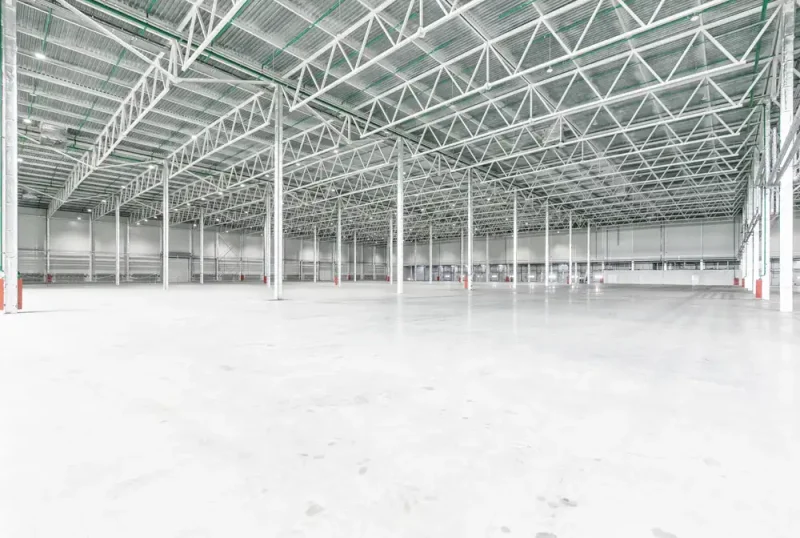
    interior of empty warehouse

    🔄 Why Are Metal Buildings So Versatile?

    One of the biggest reasons metal buildings are growing in popularity is their incredible versatility. These structures can be used for everything from agricultural storage and manufacturing plants to retail shops, warehouses, garages, gyms, and even modern homes like barndominiums. Because the steel frame can span long distances without interior load-bearing walls, metal buildings offer vast open spaces that can be easily customized for nearly any layout. Whether you’re a farmer needing storage for equipment, a business owner expanding with a new facility, or a homeowner building a custom living space, metal buildings adapt to your needs with ease.

    💸 Cost Advantages of Building with Metal

    Metal buildings are generally more affordable than traditional construction. The use of pre-engineered parts minimizes on-site labor, reduces material waste, and shortens the build timeline—all of which help save money. In addition, the raw cost of steel per square foot is often lower than wood or masonry, especially when considering long-term maintenance and energy efficiency. For budget-conscious builders who want durability without breaking the bank, metal buildings are an excellent choice. Their predictable cost structure also helps avoid surprises during construction, making them a financially safe option for many projects.

    🛠️ Durability That Lasts for Decades

    Steel is one of the most durable materials used in modern construction. Metal buildings are highly resistant to pests like termites, mold and mildew, and fire damage. They’re also engineered to withstand extreme weather, including heavy snow loads, high winds, and even seismic activity. With minimal maintenance, a metal building can last 40 to 60 years or longer. Unlike wood-framed buildings, they won’t rot or warp over time, making them ideal for tough environments and long-term ownership. For property owners looking for peace of mind, the strength of steel is hard to beat.

    🧼 Low Maintenance = Less Stress

    Maintenance is one of the most overlooked factors when choosing a building type, but it plays a big role in long-term cost and convenience. Metal buildings require very little maintenance compared to traditional wood or brick structures. The exterior typically comes coated with protective finishes that resist rust and corrosion. Other than occasional inspections, cleaning, and minor upkeep, these buildings are designed to take care of themselves. Property owners can spend less time worrying about repairs and more time using their buildings for work, storage, or living.

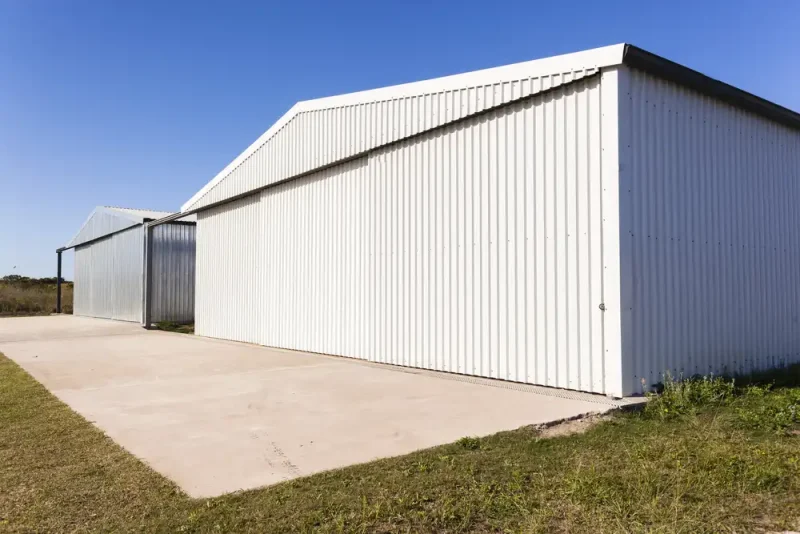
    metal building storage

    ⏱️ Faster Build Times

    One of the standout benefits of metal buildings is how quickly they can be constructed. Because all parts are fabricated off-site and arrive ready to assemble, the on-site build time is drastically reduced. Projects that might take months with traditional construction can be completed in weeks. This faster timeline means less disruption to daily life or business operations and a quicker return on investment. Whether you’re building a workshop in your backyard or expanding a commercial facility, speed matters—and metal delivers.

    🔌 Energy Efficiency and Insulation Options

    Modern metal buildings can be incredibly energy-efficient when designed with insulation and energy-saving systems in mind. With proper insulation materials—such as spray foam, fiberglass, or insulated metal panels—steel buildings can retain heat in the winter and stay cool in the summer. Reflective roof coatings can deflect solar heat, and high R-value insulation can significantly reduce utility bills. Metal buildings can also accommodate solar panels and other energy upgrades with ease, making them future-ready and environmentally responsible.

    🖌️ Customization Beyond the Basics

    Today’s metal buildings go far beyond the old image of plain steel sheds. Modern design options include custom roof pitches, facades, siding finishes, decorative trim, color options, windows, skylights, and more. Want a rustic farmhouse-style barndominium? Done. Need a retail storefront with architectural appeal? No problem. Metal buildings offer incredible flexibility, both in terms of layout and appearance. With proper planning, your metal building can be every bit as attractive and functional as traditional structures—at a fraction of the cost.

    🌍 A Sustainable, Eco-Friendly Option

    Steel is one of the most recycled materials in the world. Most metal buildings are made from recycled steel, and once a building reaches the end of its life, nearly all its components can be recycled again. The construction process also generates less waste compared to traditional methods, making metal buildings a greener choice. For individuals and businesses looking to reduce their carbon footprint and invest in sustainable practices, building with metal is a strong step in the right direction.

    🧾 Permitting and Future Flexibility

    Depending on your location and intended use, metal buildings are often easier and faster to permit than other types of construction. Their modular nature and adherence to building codes mean fewer design headaches and smoother approval processes. Metal buildings are also highly adaptable, meaning you can add to them in the future or reconfigure interior spaces without major structural changes. For growing families, expanding businesses, or agricultural needs that evolve over time, this flexibility is a huge bonus.

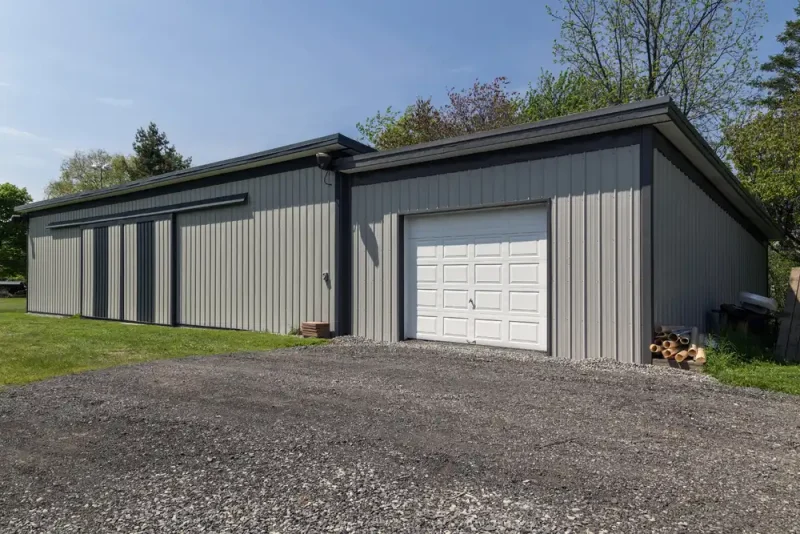
    barndominium

    🏠 Rise of the Barndominium

    One of the trendiest uses for metal buildings right now is the barndominium—a combination of barn and condominium that blends metal framing with a custom residential interior. These structures offer spacious, open-concept living at a lower cost than traditional homes. Barndominiums are especially popular in rural areas, where land is abundant and homeowners want flexibility for garages, workshops, and living space all under one roof. With metal construction, you get the perfect mix of rugged durability and modern comfort.

    ✅ A Smart Choice for Any Project

    Metal buildings are popular for good reason—they’re strong, cost-effective, customizable, and fast to build. From agriculture and industry to retail and residential use, they offer a level of versatility that’s hard to match. If you’re planning a new structure and want something that’s built to last, easy to maintain, and friendly to your budget, a metal building should be high on your list. With the right design and builder, your metal building can serve your needs today—and grow with you tomorrow.


  4. Budgeting for Construction and How to Avoid Surprise Costs

    When it comes to construction—whether you’re building a custom home, adding on to an existing property, or remodeling a kitchen—your budget can make or break the experience. Everyone starts with a number in mind, but the reality is that construction costs can escalate quickly if not carefully planned and managed. At HLS Construction, one of the most common concerns we hear from clients is how to stay on budget and avoid those dreaded surprise costs. The good news? With proper planning, clear communication, and a little insider knowledge, you can avoid financial pitfalls and stay in control of your project.

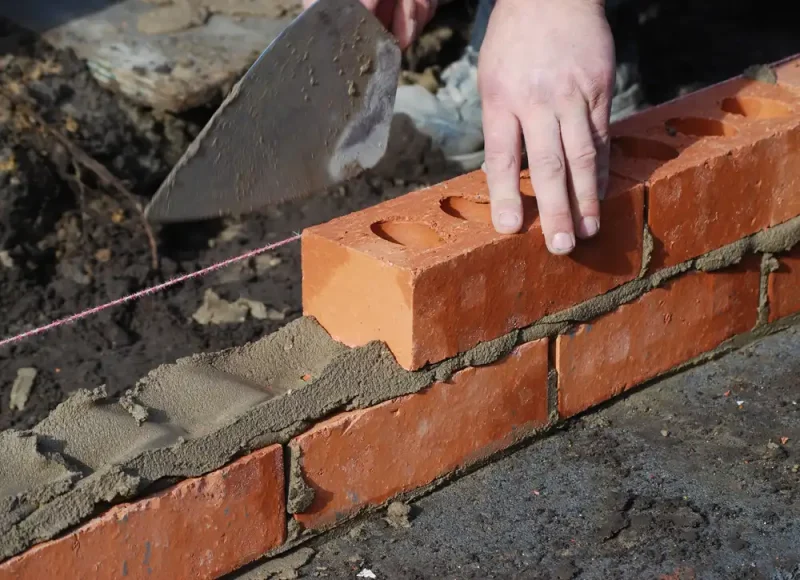
    brick wall under construction

    🧱 Why Construction Budgets Go Off Track

    Let’s start with why budgets blow up in the first place. The most common culprits include underestimating material and labor costs, changing plans mid-project, unforeseen site or structural issues, and lack of clarity in the scope of work. Many homeowners or business owners dive into a project with a general idea of cost but haven’t accounted for all the variables—from demolition and permits to finish materials and labor hours. If you’re not working with a transparent, detail-oriented contractor, those costs can compound quickly and catch you off guard.

    📐 Start with a Detailed Scope of Work

    The single most effective way to control your budget is to start with a well-defined scope of work. This document outlines exactly what the project includes (and doesn’t include), covering everything from square footage to materials to timelines. At HLS Construction, we walk every client through this step because it becomes the foundation for the estimate, the schedule, and the contract. A vague scope of work leads to vague pricing—and that’s where most budget surprises come from. Make sure your contractor details each aspect of the job in writing so everyone is on the same page from day one.

    📊 Build a Realistic Budget (And Then Add 10–20%)

    Once your scope is clear, it’s time to build your budget. This should include hard costs (like materials and labor) and soft costs (like permits, design fees, or inspection costs). Depending on your project, you may also need to factor in temporary living arrangements, debris disposal, or engineering services. Our advice? Once your budget is complete, add a contingency buffer of 10–20%. This isn’t a sign of poor planning—it’s smart strategy. Almost every project will encounter at least one unexpected cost, whether it’s a hidden plumbing issue or a last-minute material upgrade. Building in a buffer keeps you prepared and reduces stress when the unexpected happens.

    new home construction framing

    📝 Get an Itemized Estimate (Not Just a Bottom Line)

    Avoid working with contractors who provide a single lump-sum estimate without breaking it down. An itemized estimate gives you transparency into where your money is going—framing, drywall, flooring, electrical, plumbing, finish carpentry, etc.—so you can see how each phase of the project contributes to the total. At HLS Construction, we believe in full transparency. Not only does this help clients feel more confident, but it also makes it easier to adjust plans or prioritize elements without throwing the entire budget off balance.

    🪜 Prioritize and Phase if Needed

    If your budget is tight or your dream list exceeds what’s currently feasible, you don’t have to walk away from the project. Instead, consider prioritizing key parts of the work now and phasing in other elements later. For example, you might complete the main living spaces first, then tackle secondary rooms or exterior upgrades down the line. By having a clear conversation with your contractor about what’s essential and what’s flexible, you can create a realistic plan that suits your financial comfort zone while still moving the project forward.

    🔧 Understand Allowances (And Watch Them Closely)

    An allowance is a budget placeholder for items you haven’t selected yet—like tile, appliances, or light fixtures. These are useful during the planning stage but can become budget busters if you’re not careful. If your builder sets an unrealistic allowance for something like cabinetry and you later choose higher-end finishes, you’ll be responsible for the cost difference. Always review your allowances carefully and make sure they reflect realistic price ranges for the quality you want. At HLS Construction, we help clients make selections early in the process to avoid “scope creep” and minimize surprise upgrades.

    worker with safety hat and gloves

    🏗️ Account for Site-Specific Conditions

    No two job sites are exactly alike. If your project involves an older home, tricky terrain, structural modifications, or poor soil conditions, your costs can increase quickly. A quality contractor should identify these potential risks during the planning phase and include them in the initial budget discussion. We conduct thorough site evaluations before finalizing a proposal to uncover hidden conditions—like outdated wiring, water damage, or foundation shifts—that may require remediation before construction can proceed. Proactive assessments like this can save thousands and prevent delays.

    📆 Beware of Changes During Construction

    Every change you make once construction begins—known as a change order—can lead to higher costs, delays, and logistical complications. Even minor adjustments, like moving a wall or upgrading finishes mid-project, may require additional labor, rework, and permit updates. To avoid this, finalize your design selections and plans before demolition or building starts. We always encourage clients to take time in the design and planning phase so they feel confident and avoid making rushed decisions later. While some changes may be unavoidable, too many of them can derail your timeline and your budget.

    💬 Communicate Frequently With Your Contractor

    A construction project is a team effort, and clear communication keeps it running smoothly. Your contractor should keep you updated on progress, potential issues, and any budget-related concerns as they arise. At HLS Construction, we use project management tools and regular check-ins to keep clients in the loop at every stage. If a cost overrun is on the horizon, we’ll talk about it before it happens—not after it hits your wallet. Open, honest communication is the best defense against surprise expenses.

    🛑 Avoid the Lowest Bid Without Context

    It’s tempting to go with the lowest bid, especially if you’re trying to stay within a tight budget—but be cautious. Lowball estimates often leave out essential work, use inferior materials, or are based on unrealistic assumptions. You may end up paying more in the long run through change orders, poor workmanship, or delays. Always compare bids apples to apples, and ask questions about what’s included, what’s excluded, and what assumptions are being made. A reputable contractor will provide clarity and confidence—not confusion.

    🏁 Final Thoughts: A Smart Budget Is Your Best Tool

    Construction doesn’t have to be stressful—or financially unpredictable. With careful planning, a detailed scope of work, transparent pricing, and the right contractor, you can protect your budget and enjoy a smooth project from start to finish. At HLS Construction, we’re committed to helping clients build smarter—not just faster. Whether you’re renovating a single room or managing a full-scale new build, we help you plan ahead, stay in control, and bring your vision to life without breaking the bank.


  5. Is Steel or Wood Construction Better for Your Next Project?

    When starting a new construction project—whether it’s a barn, garage, warehouse, shop, or even a custom home—one of the biggest decisions you’ll face is the building material. For many property owners, the choice comes down to two primary options: steel or wood. Each material has its own advantages and limitations, and the right choice depends on your budget, design goals, long-term maintenance expectations, and how you plan to use the space.

    At HLS Construction Group, we work with both wood-framed and steel-framed buildings, and we help our clients make informed decisions based on their unique needs. If you’re wondering which route is better for your next project, here’s a side-by-side comparison to help you decide.

    metal framing building

    Strength and Durability

    Steel:
    Steel buildings are incredibly strong and built to withstand high winds, heavy snow loads, and even seismic activity. Unlike wood, steel doesn’t warp, split, or rot over time. It also holds up better under long-term stress and is ideal for larger structures like warehouses, airplane hangars, industrial shops, or commercial storage facilities.

    Wood:
    Wood is strong—but not as strong as steel when it comes to load-bearing and structural integrity over time. While wood is flexible and easy to work with, it’s vulnerable to moisture, pests, and decay, especially in high-humidity or flood-prone areas. However, for smaller buildings, homes, or projects with lighter demands, wood may be more than adequate.

    Winner for Strength: Steel

    Cost and Affordability

    Wood:
    Wood-framed construction tends to have a lower upfront cost than steel, especially for smaller or simpler buildings. Materials are readily available, and many local builders are more familiar with wood construction, which can keep labor costs lower.

    Steel:
    Steel buildings may have a higher initial cost due to the materials and prefabrication involved, but that cost often balances out over time. Steel is faster to erect (thanks to pre-engineered kits) and usually requires less long-term maintenance. For larger structures, the per-square-foot cost can actually be lower than a similar wood-framed design.

    Winner for Short-Term Cost: Wood
    Winner for Long-Term Value: Steel

    industrial metal building

    Speed of Construction

    Steel:
    Most steel buildings today are pre-engineered, meaning the components are manufactured off-site and delivered ready for assembly. That significantly reduces build time. Erection of the main structure can take just a few days, even for large buildings.

    Wood:
    Wood structures require more cutting, fitting, and on-site adjustments, which can slow down construction. While experienced crews can move quickly, wood framing almost always takes longer than erecting a steel structure of the same size.

    Winner: Steel

    Customization and Design Flexibility

    Wood:
    Wood is extremely versatile and easy to customize on the fly. For residential construction or unique design aesthetics, wood gives architects and homeowners more flexibility. You can make changes during construction, add decorative elements, or modify the layout without too much hassle.

    Steel:
    Modern steel buildings have come a long way in terms of customization, but most are pre-engineered, so changes after fabrication can be costly or impossible. That said, steel still offers a wide range of design options, especially with modern finishes, facades, and interior layouts.

    Winner for Flexibility: Wood
    Winner for Pre-Engineered Efficiency: Steel

    wood frame building

    Energy Efficiency and Insulation

    Wood:
    Wood naturally insulates better than steel, which can make it easier to regulate indoor temperatures in smaller buildings or homes. Wood framing also works well with traditional insulation materials.

    Steel:
    Steel conducts heat and cold more readily than wood, meaning it requires proper insulation systems to stay efficient. That said, with the right design and insulation (such as spray foam or insulated panels), steel buildings can be just as energy-efficient as wood-framed ones—and often more airtight.

    Winner: Tie, depending on insulation used

    Maintenance and Longevity

    Steel:
    Steel buildings are low-maintenance and built to last. They won’t rot, warp, or attract termites, and they’re resistant to mold, mildew, and fire. With minimal upkeep, steel buildings can last 50+ years with no structural issues.

    Wood:
    Wood requires more maintenance over time. You may need to treat the wood, repaint, repair warping or splitting, and protect against termites or rot—especially in areas with extreme weather or moisture.

    Winner: Steel

    wood framed house

    Environmental Impact

    Steel:
    Steel is one of the most recyclable materials in construction. Many steel buildings use recycled content, and steel can be repurposed again at the end of the building’s life. However, steel production is energy-intensive.

    Wood:
    Wood is renewable, biodegradable, and stores carbon, making it a popular choice for eco-conscious builders. However, sustainable harvesting and responsible sourcing are key to its environmental benefit.

    Winner: Tie, depending on sourcing and project goals

    Best Use Cases for Each

    Choose Steel If You’re Building:

    • A warehouse, shop, or industrial space
    • A garage or metal barn (barndominium)
    • A structure that needs wide, open interiors with no interior support walls
    • In a region with high winds, termites, or fire risk
    • A long-lasting building with minimal maintenance

    Choose Wood If You’re Building:

    • A residential home or cabin with high aesthetic expectations
    • A smaller budget-friendly structure
    • A building that requires frequent customization or design changes
    • In areas with mild weather and lower risk of pests or moisture damage

    So, Which Is Better?

    There’s no one-size-fits-all answer. Steel buildings are best for strength, durability, and large-scale projects. Wood buildings are best for residential-style flexibility and upfront affordability. Your decision should come down to what you need from your building—its purpose, your budget, and your timeline.

    At HLS Construction Group, we specialize in both steel and wood construction and can help you weigh your options based on the real-world goals of your project. Whether you’re building a barndominium, warehouse, garage, or home addition, we’ll walk you through every step—from planning and design to final build—with honest advice and expert craftsmanship.

    Contact HLS Construction Group today to schedule a consultation and get started on your next project—with the right material, the right team, and the right plan.


  6. Should You Remodel Your Bathroom Before Selling Your Home?

    Why Bathrooms Matter to Buyers

    When you’re preparing to sell your home, one question often comes up: should you remodel your bathroom before listing? For many homeowners, the bathroom is a focal point of the house, but deciding whether to invest in upgrades can be a tough call. At HLS Construction, we help South Texas homeowners make smart decisions that balance return on investment with market appeal.

    The condition of your bathroom can significantly influence a buyer’s perception of your home. While kitchens are often top of mind, bathrooms are a close second. A worn, outdated, or cramped bathroom can make buyers hesitate—even if the rest of the house is in great shape. On the other hand, a modern, clean, and functional bathroom can add serious value and appeal.

    new tub and shower

    Full Remodel or Cosmetic Refresh?

    Deciding whether to remodel your bathroom before selling depends on a few key factors: how outdated the space is, what buyers expect in your local market, and how much you’re willing to invest. Not every bathroom needs a full overhaul; sometimes, a few targeted updates can make all the difference.

    Full remodels are worth considering if your bathroom has visible wear and tear, old fixtures, or water damage. Plumbing problems, leaky tubs, cracked tile, and inefficient layouts can turn buyers away quickly. A renovation that addresses these issues can improve your home’s marketability and reduce the likelihood of buyers asking for repairs or credits during negotiations.

    On the other hand, if the space functions well but just looks dated, a cosmetic refresh may be all that’s needed. New light fixtures, modern hardware, fresh paint, and an updated vanity can dramatically improve the bathroom’s appearance without requiring a large investment. These changes often pay off by creating a more welcoming environment and helping buyers see the home as move-in ready.

    Smart Upgrades That Attract Buyers

    If you do decide to remodel, it’s important to focus on upgrades that appeal to a broad range of buyers. Think clean lines, neutral finishes, and energy-efficient fixtures. Modern vanities with built-in storage, water-saving toilets and faucets, new tile flooring, and well-lit mirrors are all highly sought after. Replacing outdated showers with glass-enclosed walk-ins is another trend that buyers love.

    Staying within a neutral palette is key. While bold color schemes might appeal to your personal style, buyers tend to respond best to soft, versatile tones like white, gray, beige, or warm wood finishes. These options create a calming, modern space and allow potential buyers to envision their own touches more easily.

    The South Texas Market Advantage

    Another factor to consider is your local real estate market. In hot markets like Corpus Christi, San Antonio, and Victoria, buyers are looking for move-in ready homes. A dated bathroom might still sell, but homes with upgraded baths tend to sell faster and for higher prices. In a more competitive market with lots of inventory, having an updated bathroom can help your listing stand out.

    Remodeling your bathroom before selling doesn’t have to break the bank. In South Texas, a modest remodel can cost anywhere from $5,000 to $12,000 depending on the scope. A complete bathroom overhaul with luxury materials could run $20,000 or more. However, bathrooms tend to offer one of the best returns on investment among remodeling projects. Many homeowners recoup 60–75% of the remodel cost when selling—sometimes even more in desirable neighborhoods.

    bathroom remodel

    How a Remodel Can Help Sell Faster

    In addition to improving resale value, a remodeled bathroom can speed up the sale of your home. A clean, updated bathroom suggests to buyers that the entire home has been cared for, which builds trust and reduces concerns about hidden maintenance issues.

    At HLS Construction, we make the remodeling process simple and stress-free. We’ll start with a walkthrough of your bathroom, discuss your goals, and recommend updates that will have the most impact. We offer complete remodeling services—from layout design to fixture installation—and work within your timeline and budget.

    Let’s Get Your Home Market-Ready

    Our team is proud to serve homeowners across South Texas with quality craftsmanship and honest guidance. Whether you’re making small improvements or planning a total renovation, we’ll help you choose upgrades that increase your home’s value and appeal to modern buyers.

    If you’re getting ready to list your home and wondering whether a bathroom remodel is worth it, reach out to HLS Construction. We’ll help you make the right investment to sell with confidence and move forward with peace of mind.

    Ready to get started?

    Contact us today to schedule your consultation and discover how a refreshed bathroom can give your home the edge in the market.


  7. Top Kitchen Trends for 2025 That Boost Home Value

    Crafting Functional, Beautiful Homes in South Texas

    The kitchen has always been the heart of the home—but in 2025, it’s also becoming one of the smartest investments homeowners can make. As lifestyles evolve and buyers prioritize functionality, sustainability, and modern design, the kitchen continues to set the tone for both style and value.

    Whether you’re preparing your home for resale or simply upgrading to improve daily life, remodeling your kitchen with the right features can deliver a strong return on investment. At HLS Construction, we stay on top of the latest trends and innovations to help clients throughout South Texas make smart remodeling choices. Here are the top kitchen trends for 2025 that aren’t just beautiful—they’re built to boost your home’s value.

    refreshed kitchen

    Smart Technology Integration

    Smart kitchens are no longer a futuristic concept—they’re now a key selling point for modern homes. From Wi-Fi-enabled ovens to motion-activated faucets and smart refrigerators that track grocery inventory, buyers increasingly expect technology to be part of the kitchen experience.

    Integrating smart appliances and controls into your remodel is a strategic move. These upgrades enhance convenience and energy efficiency while appealing to tech-savvy buyers. Even simple additions like USB charging ports, smart lighting systems, or app-controlled coffee makers can give your kitchen a competitive edge in the market.

    Sustainable and Eco-Friendly Materials

    Sustainability isn’t just a buzzword—it’s a decision-making factor for many buyers in 2025. Eco-conscious homeowners are seeking kitchens that minimize environmental impact without sacrificing design. That includes cabinetry made from recycled wood or low-VOC finishes, energy-efficient LED lighting, and water-saving fixtures.

    Quartz and recycled glass countertops are trending as environmentally friendly alternatives to granite or marble, and they come in a wide range of modern, clean styles. Flooring options like bamboo or sustainably harvested hardwood also make a statement—both in aesthetics and responsible sourcing.

    Large Kitchen Islands with Purpose

    Kitchen islands have long been a favorite feature, but in 2025, they’re evolving into multifunctional workstations. Large islands that accommodate seating, prep space, storage, and built-in appliances are in high demand.

    Adding a sink, dishwasher, or under-counter fridge to your island can maximize functionality and make the kitchen more efficient for cooking and entertaining. Buyers love the versatility and added square footage for storage and dining—especially in open-concept homes where the kitchen flows into living spaces.

    Mixed Materials and Textures

    Design in 2025 is moving away from matchy-matchy finishes and embracing contrast. Think matte black hardware on white oak cabinetry, or a bold quartz island paired with a soft tile backsplash. Mixing metals, textures, and materials gives kitchens a high-end, designer look that makes a strong impression.

    Homeowners are also gravitating toward two-tone cabinetry, where upper and lower cabinets differ in color or finish. This approach not only adds visual interest, but also allows you to incorporate trendy colors without overwhelming the space.

    Concealed Storage and Minimalist Design

    Clean lines and uncluttered surfaces remain a priority in 2025 kitchen design. That means maximizing hidden storage solutions—pull-out drawers, appliance garages, and floor-to-ceiling cabinetry are all features buyers appreciate.

    Minimalist kitchens with flush cabinets, integrated handles, and sleek countertops create a modern, high-end aesthetic that feels both calming and functional. This style also supports resale value by offering a neutral backdrop that suits a variety of buyer preferences.

    Bold Backsplashes and Statement Lighting

    While overall design may be leaning toward minimalism, homeowners are using specific elements—like backsplashes and lighting—to inject personality and drama into their kitchens.

    Full-height backsplashes in bold stone patterns, herringbone tiles, or colorful ceramics are making waves in 2025. Pair these with statement pendant lights over the island or dining area, and you’ve got a space that feels both customized and luxurious.

    These eye-catching details are more than just pretty—they help your kitchen stand out in listing photos and open houses, adding perceived value and visual impact.

    kitchen remodeling

    Pantry Spaces and Secondary Storage

    As more people cook and entertain at home, pantry storage has become essential. Walk-in pantries or floor-to-ceiling built-ins are on the wishlist for many homebuyers. If your kitchen footprint allows it, converting a nearby nook into a functional pantry can add major appeal.

    For homes without space for a full pantry, pull-out storage solutions and clever cabinetry layouts can offer similar functionality without a full room redesign.

    Neutral Palettes with Warm Accents

    While bright white kitchens remain popular, 2025 is welcoming warmer, earthier tones into the mix. Soft greiges, muted greens, and natural wood finishes are creating inviting spaces that still feel light and timeless.

    Adding warmth through cabinetry tones, wood shelving, or textured tile gives your kitchen a more grounded and personalized feel—an aesthetic that’s appealing to a broad range of potential buyers.

    A Smart Kitchen Remodel Is a Smart Investment

    The best kitchen remodels strike a balance between timeless design and forward-thinking features. In 2025, the focus is on blending function, technology, sustainability, and style. Whether you’re planning to sell soon or just want to enjoy your space more, investing in these top trends can enhance your kitchen’s performance and your home’s value.

    At HLS Construction, we specialize in turning remodeling ideas into reality—with craftsmanship you can trust and designs that last. If you’re considering a kitchen upgrade, reach out to us today for a consultation. Let’s build a kitchen that’s both on-trend and built to boost your home’s future.


  8. Remodeling Return on Investment: Where to Spend for Maximum Value

    At HLS Construction, we understand that home remodeling is not just about making your space more beautiful—it’s also a strategic investment. Whether you’re planning to sell your home in the next few months or a few years down the road, the right remodeling choices can significantly increase your home’s value and appeal. The key is knowing which projects deliver the greatest return on investment (ROI) and which are better suited for personal enjoyment than resale.

    Kitchen Upgrades That Make a Big Impact

    If there’s one area of the home that nearly every buyer pays attention to, it’s the kitchen. Often referred to as the heart of the home, this space plays a major role in both day-to-day living and in how a property is perceived during a sale. A full upscale kitchen remodel might be tempting, but the data consistently shows that minor to mid-range renovations tend to offer a stronger return. Focus on upgrades that modernize the space without going overboard—think cabinet refacing, new countertops (granite or quartz are safe, timeless choices), and energy-efficient stainless steel appliances. Swapping out old lighting fixtures for more modern options and upgrading cabinet hardware can also go a long way without requiring a full overhaul.

    finished kitchen remodel

    Bathrooms That Add Real Value

    Bathrooms are another high-ROI remodeling target, especially in older homes with outdated features. A dated bathroom can turn off potential buyers quickly, while a clean, contemporary space can leave a lasting positive impression. Whether you’re replacing the vanity, updating tile, or installing a walk-in shower, bathroom remodels can be highly effective at increasing resale value. For homes with only one bathroom, adding a second—if space allows—can make a dramatic difference. Even half-bath additions or powder rooms under staircases or in converted closets can be incredibly worthwhile for families or buyers who value convenience.

    finished bathroom remodel

    Boosting Curb Appeal with Exterior Upgrades

    First impressions matter, and that’s why exterior improvements are some of the best remodeling investments you can make. Curb appeal helps attract buyers before they even step inside the house. Consider simple but noticeable improvements like replacing an old front door, repainting trim or siding, or updating your garage door. In fact, garage door replacements consistently rank among the top home improvement projects for ROI. Other smart exterior investments include adding stone veneer, pressure-washing walkways and driveways, and installing attractive, low-maintenance landscaping. These updates enhance the home’s visual appeal and signal to buyers that the property has been well cared for.

    Energy Efficiency That Pays Off

    More and more, buyers are looking for homes that are not only beautiful but also efficient. Upgrades that reduce utility costs and improve comfort can be especially appealing, and they often come with incentives or rebates that further increase their value. Replacing outdated windows with double- or triple-pane models improves insulation and lowers heating and cooling costs. Adding attic insulation or upgrading your HVAC system can also deliver a solid return, especially in regions with extreme seasonal temperatures. These improvements may not be immediately visible, but they can be strong selling points when buyers are comparing homes in terms of long-term affordability.

    Opening Up the Floor Plan

    Modern buyers favor homes with open, flowing layouts that encourage natural light and easy movement between spaces. Many older homes have more segmented floor plans that can feel cramped by today’s standards. If your layout feels closed off, opening up a wall or widening a doorway—especially between the kitchen, living, and dining areas—can make a major difference. Not every home can accommodate an open-concept design, but even modest changes can improve sightlines and make a space feel larger. These types of remodeling projects require professional planning to ensure structural integrity and compliance with building codes, so always consult with experienced contractors like our team at HLS Construction before making structural changes.

    Flex Spaces and Functional Additions

    As lifestyles evolve, so does the way we use our homes. Flexibility and functionality are more important than ever, especially in a post-pandemic world where remote work and virtual learning are part of everyday life. Remodeling projects that add usable space—like finishing a basement, converting an attic into a bedroom, or turning a spare room into a home office—can make your property more appealing to a broader range of buyers. Adding a mudroom or expanding a laundry area can also boost value by enhancing everyday convenience. These spaces may not always be the first thing buyers notice, but they can be strong supporting features when it’s time to compare options.

    Smart Home Features That Stand Out

    Technology is increasingly influencing buyer preferences, and smart home features can give your property a modern edge. While a fully integrated smart home system may not be necessary, smaller upgrades like a smart thermostat, video doorbell, security cameras, or smart lighting can add functionality and a tech-forward appeal that many buyers appreciate. These systems are often relatively low-cost to install but add a layer of sophistication and convenience to the home that can make it more attractive in a competitive market.

    Avoiding Over-Customization

    One of the most common mistakes homeowners make when remodeling with resale in mind is over-customizing the space. Bold design choices, highly specific built-ins, or niche luxuries may reflect personal taste but won’t necessarily appeal to the majority of buyers. When your goal is ROI, stick with timeless, neutral color palettes and finishes that offer broad appeal. If you do want to add personality to your remodel, do it with easily changeable elements like decor, paint, or accessories—not fixtures and finishes that require future buyers to spend money changing them.

    Renovate With Resale in Mind

    Every home and every market is different, which is why it’s so important to take a strategic, tailored approach to remodeling. At HLS Construction, we help homeowners align their renovation goals with current market demands and future resale value. We always recommend starting with a clear understanding of your goals—whether that’s maximizing comfort now or preparing to sell in the near future—and working with a professional team who can advise on the most cost-effective, high-impact improvements.

    Smart remodeling doesn’t mean spending the most—it means spending wisely. Focusing on the right rooms, improving energy efficiency, updating finishes, and enhancing livability will not only help your home sell faster but often at a higher price point.

    If you’re ready to invest in a remodel that adds both style and value, HLS Construction is here to help. Contact us today for a consultation, and let’s build a plan that brings your vision to life—and pays off in the long run.


  9. Exploring the Versatility of Metal Buildings: Why Steel is a Top Choice for Every Construction Project

    When it comes to building a structure that is both durable and adaptable, metal buildings rise to the top as an unbeatable option. At HLS Construction, we’ve seen firsthand how these steel-frame buildings offer significant benefits across a wide variety of sectors. From warehouses to homes, metal buildings offer a versatile solution for projects of all kinds. Let’s look at the many uses of metal buildings and why they should be a top consideration for your next construction venture.

    Ideal for Industrial Applications: Warehouses, Factories, and Storage Solutions

    The industrial sector is one of the primary beneficiaries of metal buildings, thanks to their ability to support large, open spaces without the need for internal columns. These structures can easily house heavy machinery, large inventory, and a variety of industrial activities. Some of the most common industrial applications for metal buildings include:

    • Warehouses: Metal buildings are an excellent choice for warehouses due to their ability to span wide areas without internal supports. This allows for efficient storage, loading, and unloading operations.
    • Manufacturing Facilities: Whether it’s a factory floor for assembling products or a production space for large-scale manufacturing, steel buildings provide the flexibility and strength required for such operations.
    • Storage Buildings: Steel is an incredibly durable material, making it perfect for secure storage solutions. Whether you need a place for equipment, tools, or raw materials, a metal building provides the protection and space you need.

    With their inherent strength and customizable design options, steel buildings are the go-to solution for most industrial needs.

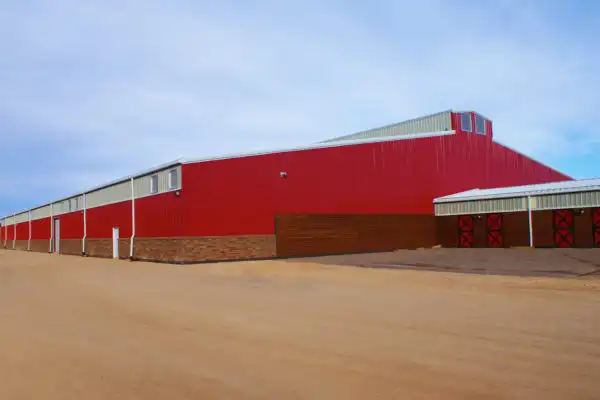
    Capital Steel Two Story Warehouse Building

    Commercial Spaces That Are Built to Last

    When it comes to commercial real estate, metal buildings have been gaining popularity due to their durability, cost-effectiveness, and sleek modern aesthetic. From retail stores to office spaces, these structures offer a wide range of applications for businesses looking to maximize their return on investment. Here’s how metal buildings are used in commercial settings:

    • Office Buildings: Steel-framed offices provide a clean, modern space that can be tailored to your company’s needs. These buildings can accommodate everything from small start-ups to large corporate headquarters.
    • Retail Locations: Steel structures offer both durability and versatility, making them a top choice for retailers looking for long-lasting, customizable buildings. They can be built quickly, which is essential for business owners who need to open their doors as soon as possible.
    • Showrooms: For businesses that rely on display space, such as car dealerships or furniture stores, metal buildings are an ideal choice. The expansive, open floor plans are perfect for showcasing products in a spacious environment.

    Thanks to the flexibility of metal, these buildings can be tailored to fit a wide range of commercial purposes, all while keeping costs low.

    Capital steel Metal Office Building With Green Wainscot

    Agriculture Meets Durability: Barns, Stables, and More

    For farmers and ranchers, metal buildings provide the perfect solution for a wide variety of agricultural needs. Their resilience to harsh weather and ease of maintenance makes them particularly suited to this industry. Some of the agricultural uses for steel buildings include:

    • Barns: Whether used to store hay, equipment, or livestock, a steel barn provides the durability to withstand heavy use and extreme weather conditions.
    • Storage for Equipment: Steel buildings can house everything from tractors to harvesting equipment, offering a safe and secure space to protect valuable machinery.
    • Livestock Shelters: Metal buildings are also commonly used to create comfortable, safe spaces for animals. The materials are easy to clean, durable, and provide great ventilation for livestock.

    The ability to easily design structures that are resistant to pests, moisture, and fire makes metal buildings a top choice for agricultural businesses.

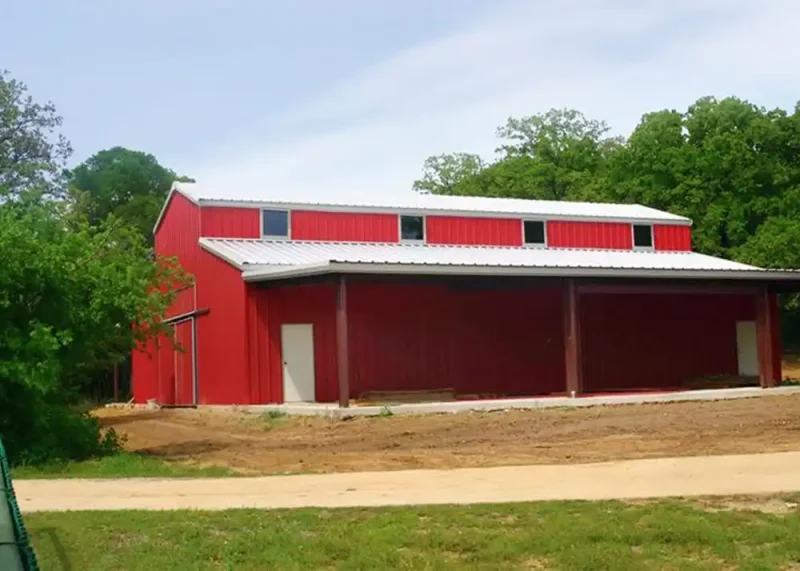
    Capital Steel Metal Barn With Leanto

    Recreational Spaces: From Gyms to Sports Arenas

    The versatility of metal buildings makes them ideal for recreational and community use. Their spacious interiors, quick construction times, and cost-effective nature make them perfect for everything from sports arenas to gyms. Here’s how metal buildings are used in the recreational sector:

    • Fitness Centers: The wide spans and high ceilings of steel buildings create an ideal environment for gyms and fitness centers, allowing for plenty of room for equipment and exercise spaces.
    • Sports Complexes: For sports teams or schools looking for an indoor facility, metal buildings offer the necessary space to create arenas for basketball, volleyball, or even swimming pools.
    • Community Halls: Whether it’s hosting events, meetings, or social gatherings, a metal building can be easily transformed into a community center that serves the public.

    With their ability to accommodate large crowds and heavy foot traffic, metal buildings are a great option for those looking to create public-use spaces.

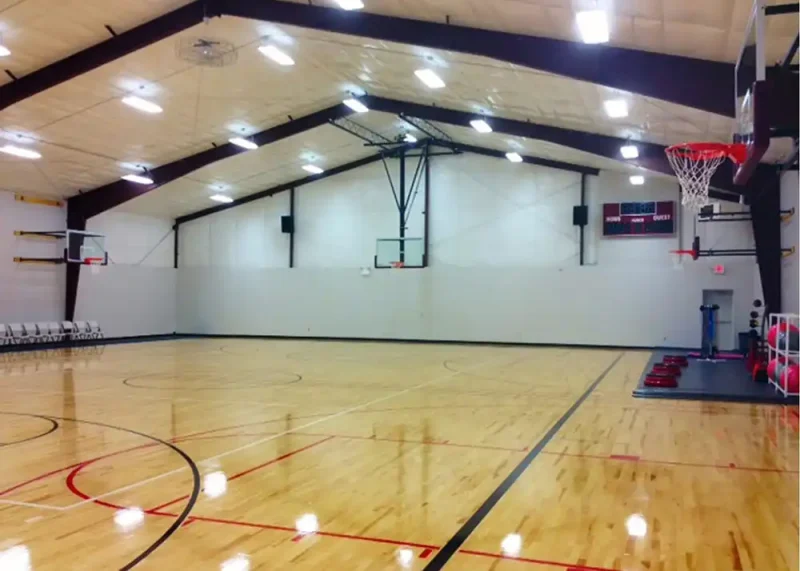
    Capital Steel Basketball Gym Building

    Residential Projects: Modern Homes, Garages, and Workshops

    While steel buildings are often associated with commercial and industrial use, they are also becoming increasingly popular in residential construction. From single-family homes to storage garages, metal buildings offer a cost-effective, durable solution for a variety of residential applications. Here are just a few ways metal buildings are being used in homes:

    • Detached Garages and Workshops: Homeowners often use metal buildings for garages, workshops, or additional storage space. The strength and versatility of steel provide a secure and functional space for tools, vehicles, and more.
    • Steel Frame Homes: For those looking to build a home that is both durable and energy-efficient, steel-framed houses are a growing trend. These homes are customizable, and their steel construction offers resistance to weather, fire, and pests.
    • Sheds and Outbuildings: For smaller residential structures like garden sheds, storage units, or even home offices, metal buildings provide a quick and low-maintenance solution.

    With their resistance to common issues like termites and mold, steel buildings are becoming a practical alternative for homeowners looking to build with longevity in mind.

    Emergency Relief: Fast and Secure Shelter Solutions

    Metal buildings also serve an important role in emergency and disaster relief efforts. Their ability to be quickly assembled and withstand extreme weather conditions makes them invaluable during natural disasters. Some of the most common emergency uses include:

    • Disaster Relief Shelters: Steel buildings can be deployed rapidly to provide shelter for individuals displaced by events like hurricanes, floods, or earthquakes. They can be designed to handle large numbers of people and withstand harsh environments.
    • Relief Centers: When a disaster strikes, metal buildings can serve as staging areas for medical supplies, food distribution, or community support services.

    The quick construction and durability of metal buildings allow relief agencies to respond faster and more effectively to those in need.

    Equestrian Facilities: Stables, Arenas, and More

    For those in the equestrian industry, steel buildings provide a reliable solution for housing both horses and equipment. From stables to riding arenas, metal buildings are designed to meet the specific needs of horses and their caretakers. Some equestrian applications for steel buildings include:

    • Horse Stables: Steel is an ideal material for horse barns, offering strength, ventilation, and pest resistance. They are also easy to clean and maintain, creating a comfortable environment for the animals.
    • Indoor Riding Arenas: For year-round riding practice, an indoor arena made from steel allows for large, open spaces with high ceilings, ideal for equestrian training and competitions.

    Equestrian centers benefit from metal buildings’ ability to create open, airy environments while withstanding the wear and tear that comes with housing animals.

    Capital Steel Riding Arena Colorado

    Why Choose HLS Construction for Your Metal Building Project?

    At HLS Construction, we specialize in designing and building custom metal buildings tailored to your specific needs. Whether you’re looking to build a commercial facility, a residential garage, or an agricultural barn, our experienced team will work with you every step of the way to ensure your project is completed on time, on budget, and built to last.

    Choosing a metal building offers several key benefits:

    • Durability: Steel is resistant to the elements, pests, and fire, offering a long-lasting solution for your building needs.
    • Customization: We offer fully customized designs that can be tailored to suit your aesthetic preferences, size requirements, and functional needs.
    • Cost-Effective: Steel buildings are often more affordable to build and maintain compared to traditional construction materials.
    • Energy Efficiency: Metal buildings provide superior insulation, helping to keep energy costs down in the long term.

    Get In Touch Today

    From industrial complexes to private homes, metal buildings are an incredibly versatile and cost-effective solution for a wide range of construction projects. Their durability, flexibility, and speed of construction make them an ideal choice for those looking to build long-lasting, functional structures. If you’re considering a steel building for your next project, get in touch with HLS Construction to discuss your ideas and see how we can bring them to life.


    Ready to start your project? Contact HLS Construction today and let’s get started on building the perfect steel structure for your needs.


  10. Exterior Remodeling: How to Boost Your Home’s Curb Appeal and Value

    The exterior of your home is the first thing visitors and passersby notice—it sets the tone for what’s inside. Whether you’re looking to update your current space or increase your home’s value for resale, exterior remodeling is one of the most effective ways to make a lasting impression. At HLS Construction Group, we specialize in transforming home exteriors into beautiful, functional spaces that stand out. If you’re ready to enhance your home’s curb appeal, here are key areas to focus on for a stunning transformation.

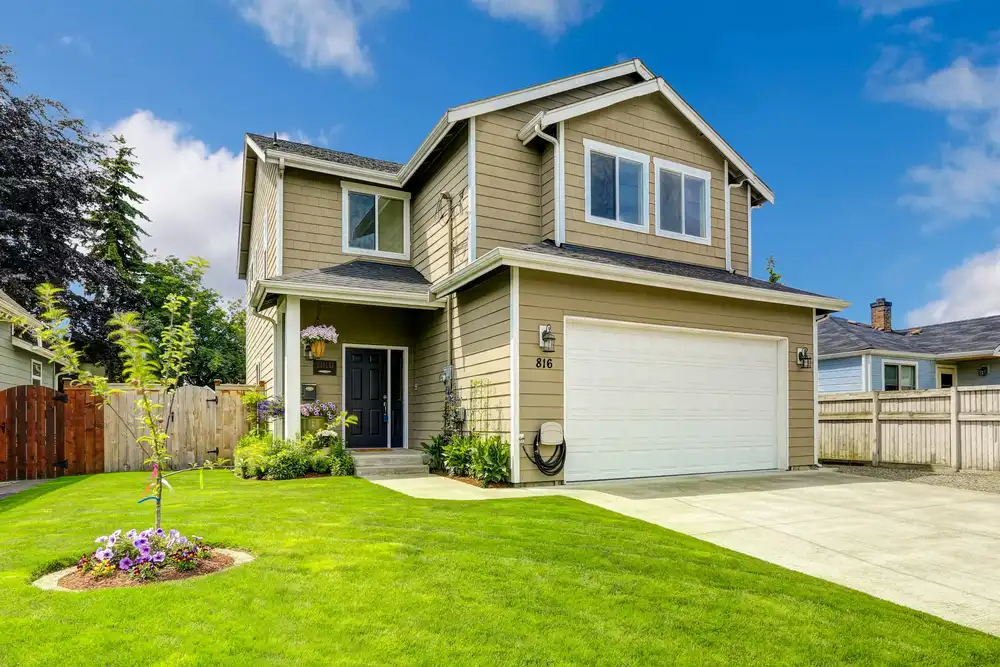
    remodeled home exterior

    Revamp Your Siding for a Fresh Look

    Siding plays a pivotal role in your home’s exterior, affecting both its appearance and protection. If your siding is aging, damaged, or just lacks character, replacing or upgrading it is one of the best ways to revitalize your home. New siding doesn’t just improve curb appeal—it also increases energy efficiency and provides long-lasting durability.

    Popular Siding Options:

    • Vinyl Siding: A low-maintenance and budget-friendly option that comes in a variety of colors and textures.
    • Fiber Cement: Known for its durability and versatility, this material mimics the look of wood but without the upkeep.
    • Wood Siding: Provides a natural, rustic look and timeless appeal, but it requires more maintenance to keep it in top shape.
    • Metal Siding: Sleek, modern, and highly durable, metal siding is a great option for contemporary homes.

    Choosing the right siding material and color can drastically change the look of your home, whether you opt for a more traditional appearance or a bold, modern design.

    Transform Your Roof for Style and Protection

    A roof is not only an essential element of your home’s protection, but it also plays a significant role in its visual appeal. An old or worn roof can drag down the appearance of an otherwise beautiful house. Replacing your roof with a high-quality, visually appealing option doesn’t just improve your home’s aesthetic—it also increases its value and functionality.

    Roofing Materials to Consider:

    • Asphalt Shingles: Affordable, durable, and available in a variety of colors and styles, asphalt shingles remain a popular choice for many homeowners.
    • Metal Roofing: This modern, long-lasting option offers a sleek look, energy efficiency, and superior weather resistance.
    • Wood Shingles or Shakes: Perfect for a more natural, rustic look, these materials require regular maintenance but add a unique charm.
    • Slate or Tile: Ideal for luxury homes, slate and tile roofing deliver both beauty and longevity.

    Replacing your roof is an investment that not only improves curb appeal but also helps with energy efficiency by providing better insulation.

    exterior curb appeal home

    Enhance Windows and Doors for Instant Appeal

    Windows and doors are vital features that can elevate the overall look of your home. Outdated or poorly maintained windows and doors can create a disjointed or lackluster exterior, while modern replacements can dramatically improve both appearance and energy efficiency.

    Why Update Windows and Doors:

    • Aesthetic Upgrade: Choose windows and doors in styles that complement your home’s architecture—whether that’s classic double-hung windows, sleek modern casements, or stylish French doors.
    • Energy Efficiency: New windows and doors are designed to reduce heat loss in winter and keep your home cooler in summer, lowering energy bills.
    • Value Boost: Energy-efficient windows and doors are highly appealing to potential buyers, making them a solid investment when you’re thinking of selling.

    By upgrading these features, you’ll not only improve curb appeal but also enhance your home’s performance and comfort.

    Landscaping: Your Home’s Natural Beauty

    Landscaping is often the finishing touch that brings everything together, creating an inviting and polished look for your home’s exterior. Thoughtful landscaping can highlight your home’s features, improve its overall aesthetic, and add value to your property. Whether you have a sprawling lawn or a smaller yard, there are numerous ways to enhance your landscaping.

    Landscaping Ideas:

    • Hardscaping: Incorporate materials like stone walkways, patios, or retaining walls to add structure and functionality to your outdoor space.
    • Lighting: Outdoor lighting not only creates a warm, welcoming atmosphere but also highlights key features of your home and garden, such as trees, pathways, or architectural elements.
    • Garden Beds: Fresh plantings, flowers, and shrubs introduce color and life to your exterior. Choosing low-maintenance plants ensures that your garden stays beautiful without too much effort.
    • Fencing: A new fence can improve both privacy and aesthetics. Whether you opt for classic wood, sleek metal, or durable vinyl, a well-designed fence can complement your home’s style.

    Investing in landscaping allows you to add beauty and personality to your exterior while creating an inviting environment that draws people in.

    Make Your Porch and Entryway Shine

    The entryway of your home is the focal point for visitors, and it’s the first thing they’ll notice when approaching your house. Whether it’s a grand porch or a simple front door, your entryway should make a statement and create a warm welcome. If your entryway is looking tired or outdated, now is the perfect time to refresh it.

    Ways to Enhance Your Entry:

    • Front Door Upgrade: A bold-colored or custom-designed front door can instantly enhance your home’s curb appeal. Choose a style that complements the overall aesthetic of your home.
    • Add a Porch or Pergola: If your home doesn’t have a porch, adding one can provide additional curb appeal and create a welcoming space for relaxation.
    • Furnish and Decorate: Simple touches like a stylish welcome mat, a few potted plants, or a new light fixture can transform the look of your entryway and make it feel more inviting.

    By updating or adding to your entryway, you’ll create a lasting first impression and enhance your home’s charm.

    exterior home remodel

    A Fresh Coat of Paint for a Quick Transformation

    Sometimes, all your home needs is a fresh coat of paint to revitalize its appearance. Painting your home’s exterior is one of the simplest and most cost-effective ways to boost curb appeal. A fresh paint job can breathe new life into your home and protect it from the elements.

    What to Paint:

    • Exterior Walls: A new color can completely change the look of your home, whether you’re aiming for a bold statement or a subtle update.
    • Trim and Accents: A contrasting color for trim, shutters, and doors can add dimension and make your home’s features pop.
    • Decks and Porches: Painting or staining your porch or deck can rejuvenate outdoor living spaces and make them feel more inviting.

    A fresh coat of paint is an affordable way to update your home’s appearance while providing long-lasting protection from the weather.

    Why Exterior Remodeling Matters

    Exterior remodeling is an investment that goes far beyond aesthetics. It increases your home’s value, improves energy efficiency, and enhances overall comfort. Whether you’re focusing on your siding, roof, landscaping, or simply refreshing your entryway, these updates will make a significant impact on how your home looks and feels.

    At HLS Construction Group, we specialize in creating exteriors that not only look stunning but are built to last. If you’re ready to transform your home’s curb appeal and boost its value, contact us today to get started on your exterior remodeling project.


Contact Us Today

(361) 549-1068

Here To Build With Honesty

office@hlsconstruction.net chris@hlsconstruction.net
HLS Construction Group
2997 County Road 35
Corpus Christi, TX 78417
Privacy Policy
© HLS Construction Group, LLC 2026