Quality control in construction is one of the most essential components of any successful building project. Whether the goal is to construct a new home, renovate an existing property, or complete a large-scale commercial development, maintaining high construction quality standards ensures safety, durability, efficiency, and long-term value. Because construction involves many specialized trades, complex systems, and strict codes, quality cannot be left to chance. Instead, it requires consistent oversight, clear communication, proper documentation, and strict adherence to proven building quality assurance practices. When contractors commit to strong quality control from start to finish, they reduce risks, prevent construction defects, improve project outcomes, and deliver a superior final result.
Why Quality Control Is Essential in Construction
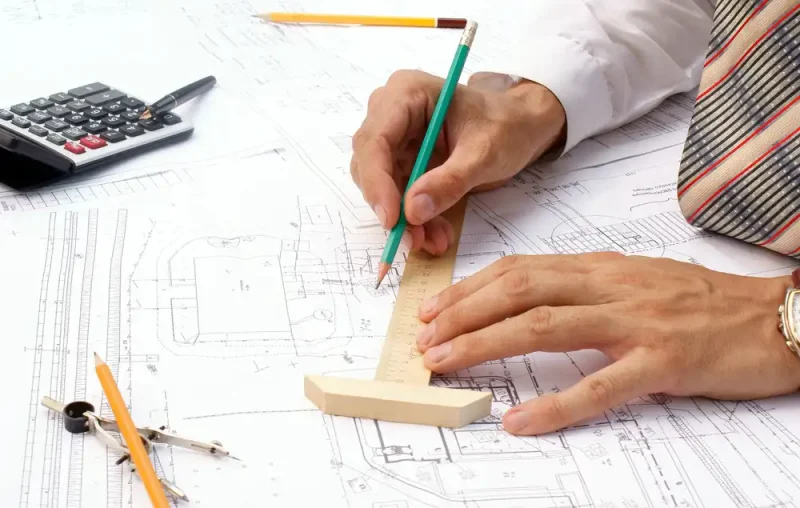
The construction process includes dozens of steps that must be completed accurately, safely, and in the proper sequence. Quality control is the framework that aligns these steps, ensuring that materials, workmanship, and project procedures meet both regulatory requirements and industry best practices. Without strong quality control in construction projects, small mistakes—such as improper measurements, miscommunication between trades, or overlooked structural issues—can escalate into major problems. Effective quality management in construction protects the client’s investment, safeguards the building’s structural integrity, and ensures that the final product reflects the contractor’s craftsmanship and professionalism. In an industry where precision matters, quality is never optional.
Strengthening Safety and Reducing On-Site Risks
Safety and quality are closely connected in construction project management. When work is performed incorrectly or inconsistently, the risk of accidents increases. Heavy equipment, electrical systems, elevated work areas, and structural loads all create potential hazards that must be managed responsibly. A strong quality control program includes routine construction inspections, adherence to safety regulations, and verification that each step complies with engineering and code requirements. This level of oversight protects field crews from avoidable injuries and ensures that finished buildings are safe for occupants. Poor-quality structural elements, faulty electrical work, or improperly installed systems can create long-term dangers. Quality control functions as the foundation for risk mitigation, helping prevent accidents and liability while creating a safer job site overall.
Preventing Rework and Avoiding Costly Delays
Rework is one of the most common and expensive problems in construction, often caused by errors, miscommunication, or lack of oversight. Quality control minimizes rework by identifying issues early—before they impact later phases of construction. Catching a framing error during installation, for example, is far less costly than discovering it after drywall has been completed. By integrating construction quality assurance procedures such as frequent inspections, testing, documentation, and progress reviews, contractors save time, control costs, and keep the project timeline on track. This proactive approach not only benefits the contractor but also provides clients with smoother, more predictable project results.
Ensuring Material Quality and Structural Performance
The durability and long-term performance of any building depend heavily on the quality of materials used. Even expert craftsmanship cannot compensate for low-grade or improperly handled materials. Quality control includes verifying that materials meet project specifications, inspecting deliveries, checking certifications, and ensuring that everything is stored and installed properly. This protects the project from defects and guarantees that each component—from concrete and structural steel to insulation and interior finishes—performs as intended. On the structural side, construction quality standards ensure that foundations, framing, load-bearing elements, and mechanical systems comply with engineering requirements. As a result, buildings constructed under a strong quality program are more durable, energy-efficient, and resilient.
Improving Communication and Project Coordination
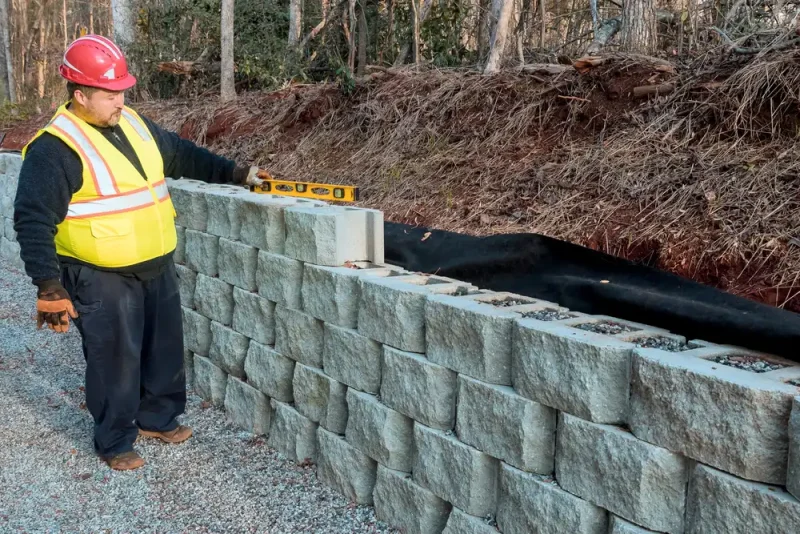
Construction projects rely on teamwork between architects, engineers, project managers, subcontractors, suppliers, inspectors, and clients. Without a structured approach to quality control and communication, misalignment is inevitable. Quality control helps everyone stay on the same page by establishing documentation standards, approval procedures, construction inspection schedules, and performance expectations. This leads to clearer communication, faster issue resolution, and better coordination across all phases of the project. By supporting transparency and accountability, quality control helps ensure that every team member understands their responsibilities and the precise requirements of the project.
Meeting Client Expectations and Building Trust
Clients invest significant resources into construction projects and expect results that match their vision, needs, and budget. Strong quality control in construction projects ensures that the finished building meets these expectations in terms of function, aesthetics, safety, and longevity. High-quality workmanship also strengthens the contractor’s reputation, which is crucial in a competitive industry where referrals and repeat clients are essential. When construction companies consistently deliver projects that meet or exceed expectations, they build trust, loyalty, and credibility within their market. Quality control is the bridge between the client’s goals and the contractor’s commitment to excellence.
Staying Compliant With Building Codes and Industry Standards
Building codes and construction regulations evolve frequently as technology advances and new safety research emerges. Quality control ensures compliance with these codes, reducing the risk of legal issues, failed inspections, or costly changes after completion. It also helps contractors integrate new construction technologies, sustainable building practices, and advanced materials without compromising safety or performance. Whether updating energy-efficiency systems, adopting new framing techniques, or integrating smart home features, construction companies depend on quality control to maintain high standards while innovating responsibly.
Supporting Sustainability and Long-Term Building Performance
Sustainability has become a major focus in modern construction, and quality control plays a central role in achieving environmental goals. Proper installation of high-performance windows, insulation, HVAC systems, and moisture-control barriers ensures maximum energy efficiency. Quality control also supports the use of eco-friendly materials and green construction methods, reducing waste and improving long-term building performance. Buildings constructed with sustainable quality control practices not only lower operational costs but also contribute to healthier, more comfortable living and working environments.
Call Today For A Professional Assessment Of Your Project
Quality control is a vital part of every construction project, acting as the foundation for safe practices, efficient workflows, strong communication, and long-lasting results. It helps prevent construction defects, reduces rework, ensures compliance with codes, and ultimately leads to higher client satisfaction. Whether building a new home, renovating an existing structure, or completing a commercial development, quality control in construction is essential for achieving successful outcomes. Projects built with a commitment to quality are safer, more durable, more efficient, and more valuable in the long run—demonstrating why quality control remains one of the most important pillars of modern construction.