Older homes often carry a unique charm, history, and character that newer properties cannot easily replicate. From classic architectural details to established neighborhoods, many homeowners choose to preserve older houses while improving their comfort, efficiency, and functionality. Updating an older home with modern features is a smart investment that can enhance everyday living, increase property value, and create a safer, more sustainable environment.
Modern home improvements do not always mean removing the original personality of a house. With thoughtful renovations, homeowners can combine traditional design elements with advanced technology, energy-efficient systems, and contemporary conveniences. Whether you are renovating a historic property or simply upgrading an aging home, modern features can provide long-term benefits.
Improve Energy Efficiency and Reduce Monthly Costs
One of the biggest advantages of updating an older home is improved energy efficiency. Many older houses were built before modern insulation standards, energy-saving appliances, and efficient heating and cooling systems became common. As a result, they may lose energy through outdated windows, poor insulation, and older electrical systems.
Modern upgrades can help reduce energy waste and lower utility expenses. Common energy-efficient improvements include:
- Installing energy-efficient windows and doors to prevent air leaks
- Adding improved insulation in walls, attics, and crawl spaces
- Replacing outdated appliances with energy-saving models
- Upgrading heating, ventilation, and air conditioning systems
Energy-efficient improvements can also make a home more comfortable throughout the year by maintaining consistent indoor temperatures. Resources such as ENERGY STAR home improvement resources provide guidance on choosing products and solutions that can improve household energy performance.
Increase Property Value with Modern Renovations
Updating an older home can significantly increase its market appeal. Today’s buyers often look for properties that offer both character and modern convenience. A beautifully maintained older home with updated kitchens, bathrooms, electrical systems, and smart technology can stand out in a competitive real estate market.
Modern renovations can make a property more attractive by improving important areas such as:
- Kitchens with updated cabinets, lighting, and energy-efficient appliances
- Bathrooms with modern fixtures and improved layouts
- Open living spaces designed for today’s lifestyles
- Updated flooring, finishes, and storage solutions
Even smaller improvements can make a noticeable difference. Features such as smart lighting, upgraded security systems, and efficient appliances can help an older home feel fresh and ready for modern living.
Enhance Comfort and Daily Convenience
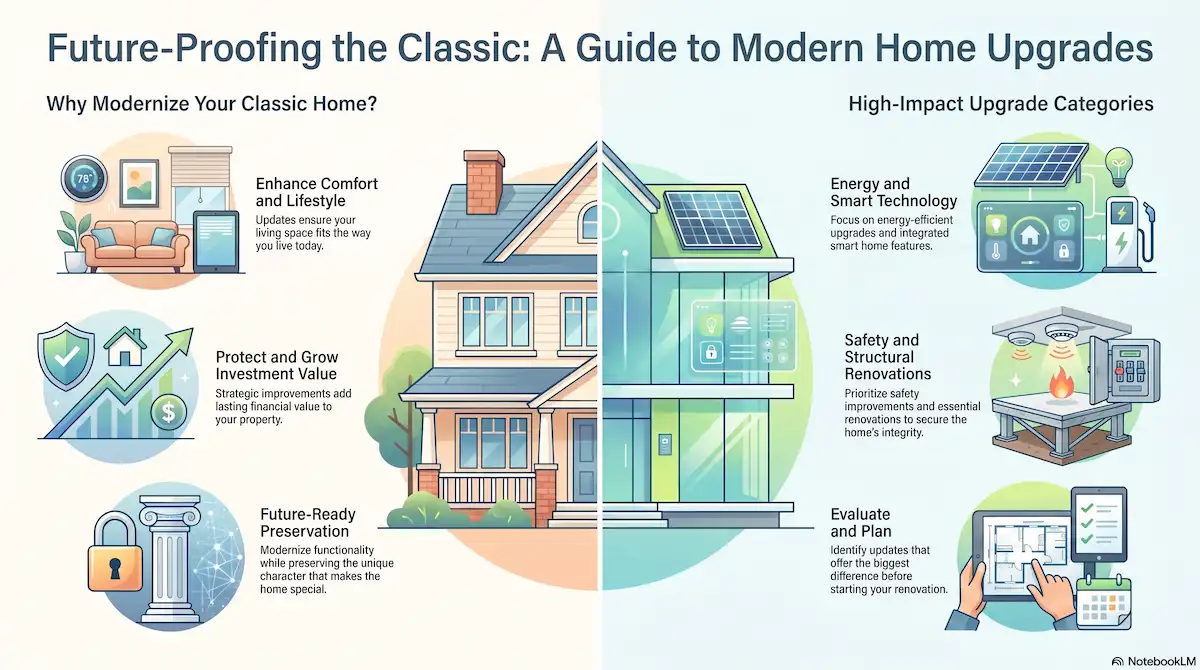
Many older homes have beautiful designs but may lack the convenience features people expect today. Modern upgrades can transform daily routines by making the home easier to manage and more enjoyable to live in.
Smart home technology is one of the most popular improvements for homeowners updating older properties. Smart thermostats, automated lighting, voice-controlled devices, and connected security systems allow homeowners to control different parts of their home more efficiently.
For example, a smart thermostat can help regulate indoor temperatures based on household schedules, while smart lighting can improve comfort and reduce unnecessary energy use. These upgrades allow older homes to provide the convenience of new construction while maintaining their original appeal.
Improve Safety and Update Aging Systems
Older homes may have outdated electrical wiring, plumbing, roofing materials, or structural components that require attention. Renovating these areas improves safety and helps prevent expensive repairs in the future.
Modernizing essential systems can include:
- Updating electrical panels and wiring
- Replacing old plumbing components
- Installing modern smoke and carbon monoxide detectors
- Repairing or replacing aging roofs
- Improving ventilation and moisture control
These upgrades protect the home and the people living inside it. Regular maintenance and improvements also help preserve the property’s condition over time.
Create a More Sustainable Home
Sustainability has become an important consideration for many homeowners. Updating an older home with environmentally friendly features can reduce its impact on the environment while improving efficiency.
Sustainable improvements may include using durable materials, reducing energy consumption, improving water efficiency, and choosing environmentally responsible products. The U.S. Environmental Protection Agency Green Home Guide offers information about ways homeowners can make more sustainable choices during renovation projects.
Modernizing an older home does not require replacing everything. Small changes, such as installing low-flow fixtures, improving insulation, or choosing energy-efficient lighting, can contribute to a greener and more efficient household.
Preserve Historic Character While Adding Modern Features
One common concern among owners of older homes is losing the original charm during renovations. However, successful remodeling focuses on improving functionality while respecting the home’s unique design.
Homeowners can preserve important architectural details such as:
- Original woodwork and trim
- Classic flooring materials
- Unique exterior features
- Traditional layouts and design elements
The goal is not to erase the past but to create a balance between historic beauty and modern performance. A carefully planned renovation can allow an older home to remain visually appealing while meeting current lifestyle needs.
Improve Indoor Health and Air Quality
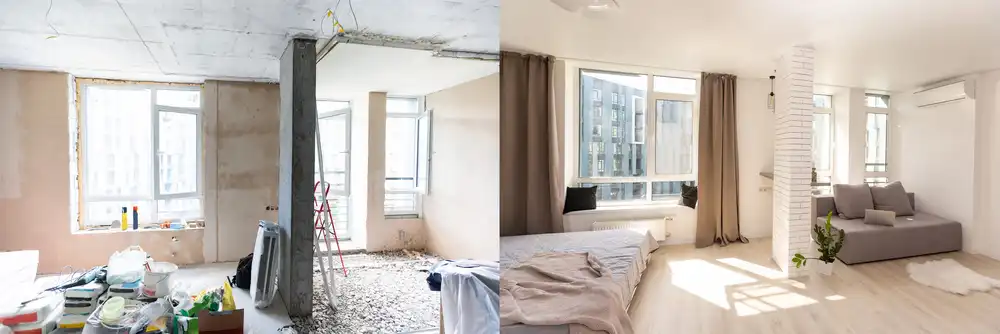
Modern home upgrades can also improve indoor air quality. Older properties may have issues related to poor ventilation, moisture buildup, outdated materials, or inefficient heating and cooling systems. These problems can affect comfort and indoor health.
Improvements such as better ventilation systems, moisture control, air filtration, and updated materials can create a cleaner and healthier living environment. A modernized home can provide better airflow, reduce indoor pollutants, and create a more comfortable atmosphere for residents.
Make Your Home Ready for the Future
Technology and lifestyle needs continue to change, and updating an older home helps ensure it remains practical for years to come. Features such as smart systems, flexible living spaces, improved accessibility, and efficient designs can make a property more adaptable.
Future-focused renovations can also make a home easier to maintain. Choosing durable materials and reliable systems reduces the need for frequent repairs and helps homeowners enjoy their property with fewer concerns.
Start Planning Your Older Home Upgrade Today
Modernizing an older home is an opportunity to improve your comfort, protect your investment, and create a space that fits the way you live today. Whether you are considering energy-efficient upgrades, smart home features, safety improvements, or a complete renovation, each improvement can add lasting value to your property.
Take the first step by evaluating your home’s current condition and identifying the updates that will make the biggest difference. With careful planning and the right improvements, your older home can become a more efficient, comfortable, and future-ready space while preserving the character that makes it special.
Begin exploring your renovation options today and discover how modern features can transform your older home into a place built for the future.