
Building a house from the ground up is one of the most rewarding projects you can take on. It gives you complete control over design, layout, materials, and functionality. However, without proper planning and understanding of the process, it can quickly become overwhelming. This guide walks you through each phase of building a house from start to finish, helping you stay organized, informed, and confident every step of the way.
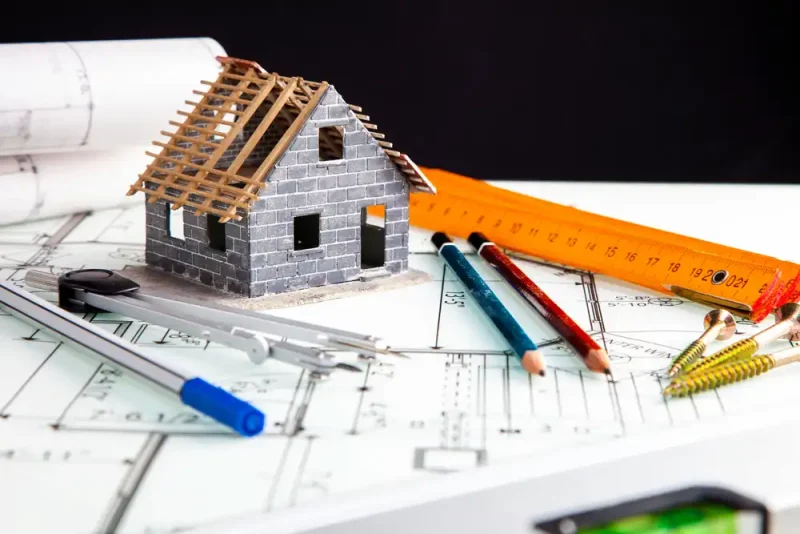
Planning and Budgeting Your Dream Home
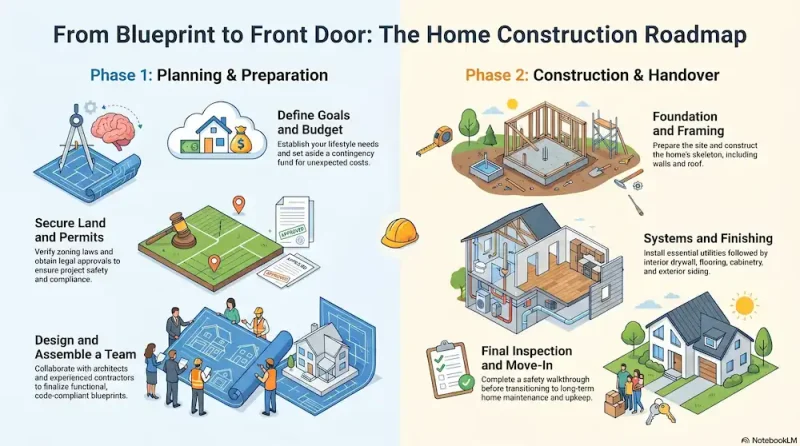
Before any construction begins, careful planning is essential. This stage sets the foundation for your entire project, both financially and logistically. Start by defining your goals. Consider the size of the home, the number of rooms, and the style you want. Think about your lifestyle needs, future plans, and how long you intend to stay in the home.
Budgeting is equally important. Determine how much you can realistically afford, including construction costs, permits, labor, and unexpected expenses. It’s wise to set aside a contingency fund to handle surprises that may arise during construction.
You can explore general budgeting frameworks and housing insights from World Bank through this resource: https://www.worldbank.org/en/topic/housing
Choosing the Right Location and Securing Land
The location of your home plays a significant role in its value and livability. Look for a plot of land that fits your needs in terms of accessibility, neighborhood, and proximity to essential services like schools, hospitals, and workplaces.
Once you’ve selected a property, verify zoning laws and building regulations in the area. Ensure the land is suitable for construction by checking soil quality, drainage, and utility access. Hiring a professional surveyor can help you avoid costly mistakes.
For guidance on zoning and land use basics, you can refer to https://www.investopedia.com/terms/z/zoning.asp
Designing Your Home
This is where your vision starts to take shape. Work with an architect or designer to create a blueprint that reflects your preferences and meets local building codes. During this phase, you’ll decide on layout, materials, structural elements, and aesthetic features.
Focus on functionality as much as design. Think about natural lighting, ventilation, storage, and energy efficiency. A well-designed home not only looks great but also enhances comfort and reduces long-term costs.
You may also want to explore sustainable building practices. Organizations like the U.S. Green Building Council provide valuable insights into eco-friendly construction standards: https://www.usgbc.org/
Obtaining Permits and Approvals
Before construction begins, you must secure the necessary permits from local authorities. These permits ensure that your project complies with safety standards and building regulations.
The approval process may include:
- Building permits
- Electrical and plumbing permits
- Environmental clearances
Skipping this step can lead to fines, delays, or even demolition orders. It’s often helpful to work with a contractor who understands local requirements and can handle the paperwork on your behalf.
Hiring Contractors and Assembling a Team
Choosing the right professionals can make or break your project. You’ll need a team that may include a general contractor, architects, engineers, and subcontractors for specialized work.
When hiring, look for:
- Proven experience and strong portfolio
- Positive reviews or references
- Clear communication and transparency
A good contractor will help coordinate the project, manage timelines, and ensure quality work. Always have a written contract that outlines responsibilities, costs, and deadlines.
Site Preparation and Foundation Work
Once permits are secured and your team is in place, construction begins with site preparation. This involves clearing the land, leveling the ground, and setting up temporary utilities.
The next step is laying the foundation, which is one of the most critical parts of the house. The type of foundation depends on soil conditions, climate, and design. Common options include slab, crawl space, or basement foundations.
Proper foundation work ensures structural stability and prevents issues like cracking or water damage in the future.
Framing the Structure
Framing is where your house begins to take visible shape. This stage involves constructing the skeleton of the home, including walls, floors, and the roof structure.
At this point, you’ll see the layout come to life. Rooms, doorways, and windows become clearly defined. High-quality framing is essential for the durability and safety of the house.
After framing, inspections are usually conducted to ensure everything meets building codes before moving forward.
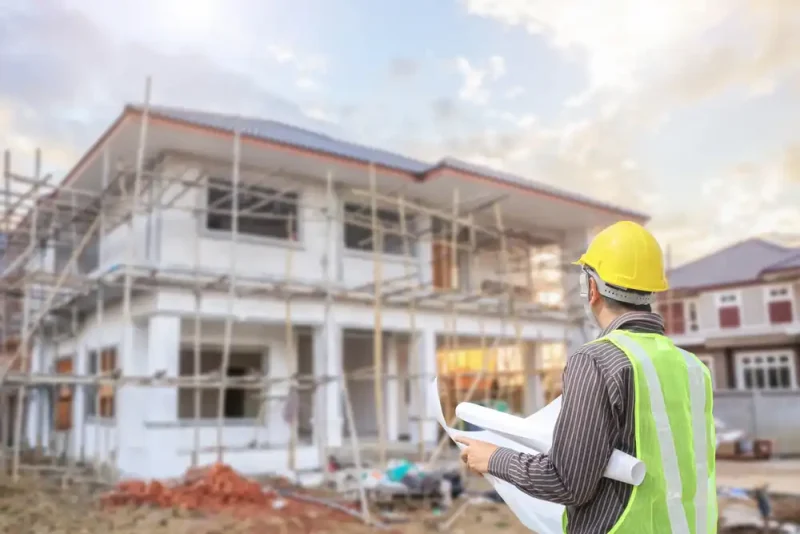
Installing Systems and Utilities
With the structure in place, it’s time to install essential systems that make your home functional. This includes electrical wiring, plumbing, and heating or cooling systems.
Careful planning during this stage is crucial to avoid future issues. Make sure outlets, lighting, and plumbing fixtures are placed according to your needs and lifestyle.
This phase also includes insulation, which improves energy efficiency and indoor comfort.
Interior and Exterior Finishing
Now comes the transformation from a construction site to a livable home. Interior finishing includes drywall installation, painting, flooring, cabinetry, and fixtures. Exterior work may involve roofing, siding, landscaping, and driveway installation.
While it’s tempting to focus on aesthetics, don’t overlook quality. Durable materials and proper installation will save you money on maintenance in the long run.
You can personalize your space with colors, textures, and finishes that reflect your style. For budgeting tips on finishing materials, visit our resource on /home-construction-cost-breakdown.
Final Inspections and Walkthrough
Before moving in, your home must pass final inspections to ensure everything is safe and up to code. Inspectors will check structural elements, electrical systems, plumbing, and more.
Once approved, conduct a final walkthrough with your contractor. Look for any defects or unfinished work and create a checklist for corrections. This is your opportunity to ensure everything meets your expectations.
Moving In and Maintenance
After months of planning and construction, your home is finally ready. Moving in is an exciting milestone, but the journey doesn’t end there. Regular maintenance is key to preserving your investment.
Keep an eye on:
- Plumbing and electrical systems
- Roof and exterior condition
- HVAC performance
Routine upkeep helps prevent costly repairs and keeps your home in excellent condition for years to come.
Start Your Home Building Project with Expert Support
Now that you understand the full process of building a house from start to finish, taking the next step with the right team is crucial. From site preparation to foundation work and full-scale construction, having experienced professionals ensures your project is done right the first time.
If you’re ready to build or need expert guidance on your project, reach out to HLS Construction through hlsconstruction.net to get started. Their team can help you plan, build, and complete your home with confidence, ensuring quality workmanship every step of the way.