
A home remodel can completely transform the way you live, but the process involves far more than selecting paint colors or new appliances. Understanding what happens from the moment you begin planning to the day you walk into your finished space helps reduce stress and keeps expectations realistic. Remodeling is a multi-stage journey that blends creativity, coordination, and technical expertise, and knowing how each phase unfolds allows you to approach the project with confidence.
The Initial Consultation and Vision Planning
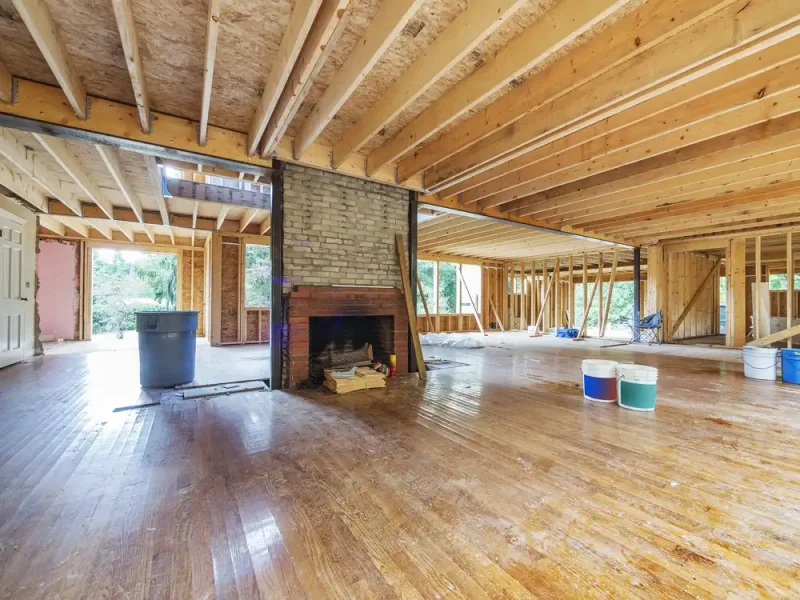
Every remodel begins with a conversation designed to clarify goals, address challenges, and set priorities. During this stage, you’ll discuss what isn’t working in your current layout, what you hope to improve, and what style speaks to you. Contractors or design-build teams typically conduct an on-site evaluation to take measurements and assess any existing issues that could influence the project. You don’t need to have all the answers yet; this is the time to share inspiration, ask questions, and start shaping a clear direction for the remodel.
Design, Planning and Pre-Construction
Once the vision is established, the project moves into the design phase, where ideas are translated into floorplans, renderings, and finish selections. Choices about cabinetry, tile, lighting, and structural layout become more refined as the plan takes shape. During this period, your contractor also prepares budgets, timelines, and a detailed scope of work. Permits and approvals are handled as needed, ensuring everything complies with local building codes before construction begins. Although this stage can feel slow because so much happens behind the scenes, it lays the foundation for a smooth project once work starts.
Preparing Your Home for Work
Before crews arrive, the home must be prepped for construction. This often involves clearing out rooms, securing valuables, and arranging temporary setups if kitchens or bathrooms will be out of service. Contractors usually install protective coverings, dust barriers, and floor protection to keep unaffected areas safe. Despite these precautions, some level of noise, dust, and disruption is normal, so planning ahead helps make daily routines easier to manage while the remodel is underway.
Demolition and Opening the Space
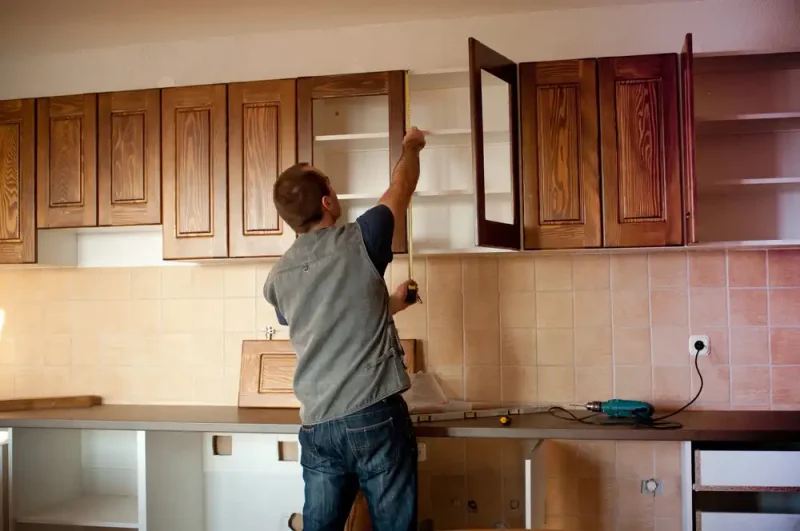
Demolition marks the moment when the remodel becomes real. Old materials, outdated fixtures, flooring, and sometimes walls are removed to make way for the new design. This stage can be noisy and messy, and it’s also when hidden issues occasionally emerge, such as outdated wiring, water damage, or structural weaknesses. If anything unexpected comes up, your contractor will explain the options and discuss any changes that may affect the timeline or cost. Discoveries like these are common in remodeling and are resolved before moving forward.
Structural, Mechanical and Behind-the-Walls Work
After demolition, crews focus on the essential structural and mechanical elements that support the new layout. This may include framing new walls, relocating plumbing lines, updating electrical systems, or adjusting HVAC components. Although you won’t see major visual changes yet, this stage is critical to the long-term safety and performance of your home. Inspections may take place as required to ensure everything meets code before the walls are closed up and finishing work begins.
Drywall, Flooring and Interior Build-Out
Once the behind-the-walls work is approved, the remodel shifts into the phase where the space begins to look like a home again. Drywall is hung and finished, flooring is installed, and cabinetry, trim, doors, and built-ins start taking shape. Color, texture, and structure become more visible, making this one of the most exciting parts of the remodel. Progress often feels faster during this period because the transformation is easier to see.
Fixtures, Details and Finishing Touches
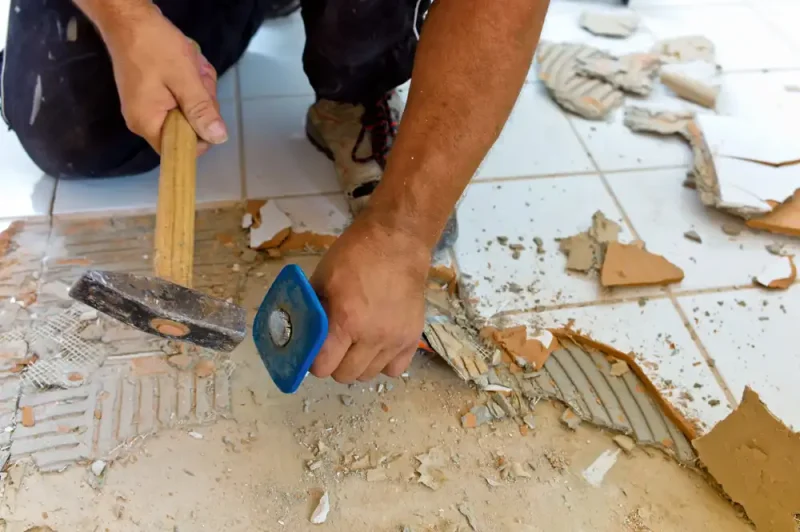
As the project nears completion, the focus turns to fine craftsmanship and detail. This is when lighting fixtures, plumbing hardware, countertops, backsplashes, and appliances are installed. Hardware is attached, paint is perfected, and surfaces are polished. These finishing touches bring the design together and reveal the full personality of your remodeled space. Each detail is carefully checked to ensure it aligns with the original vision.
Final Walkthrough and Completion
When construction wraps up, your contractor will walk through the space with you to review the work and identify any final adjustments needed. These small fixes, known as punch-list items, ensure everything looks and functions exactly as it should. Once these items are completed, the remodel is officially considered finished, and you’ll receive any necessary documentation, warranties, or care instructions for your new materials and fixtures.
Enjoying Your Newly Remodeled Home
With the dust settled and the work complete, you can finally enjoy the comfort and beauty of your transformed home. A well-executed remodel enhances not only the function and aesthetics of your space but also its long-term value and livability. The process may be complex, but with clear expectations and the right team, the journey can be just as rewarding as the finished result.