The Backbone of Every Build
Construction framing is one of the most critical phases in any building project. It serves as the structural backbone of a home or commercial property, giving the building its shape, strength, and support. At HLS Construction, we understand that quality framing is essential not just for structural integrity, but for the long-term durability and safety of your investment.
What Is Construction Framing?
Framing is the process of assembling the structural elements of a building to form its skeleton. It includes the construction of the floors, walls, ceilings, and roof systems. Think of framing as the scaffolding upon which everything else—drywall, siding, roofing, windows, and insulation—is built.
Every framing project must be planned and executed with precision, as even small misalignments can affect everything from door functionality to energy efficiency and overall building performance.
Types of Construction Framing
There are several framing methods, each suited to different types of projects, budgets, and architectural styles.
Wood Framing
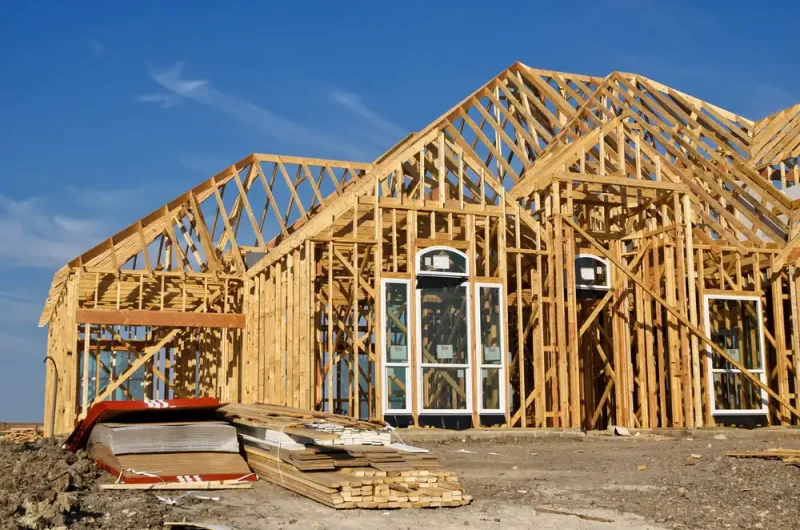
Wood framing is the most common method used in residential construction across North America. It’s cost-effective, versatile, and relatively quick to install. Within wood framing, two main systems are widely used:
- Platform Framing: In this method, each floor is framed separately, with walls built on top of each platform. It’s the standard in most modern homes due to its safety and efficiency.
- Balloon Framing: Less common today, this older method uses long, continuous studs that run from the foundation to the roof. It’s labor-intensive and requires more lumber but can be useful in certain multi-story applications.
Steel Framing
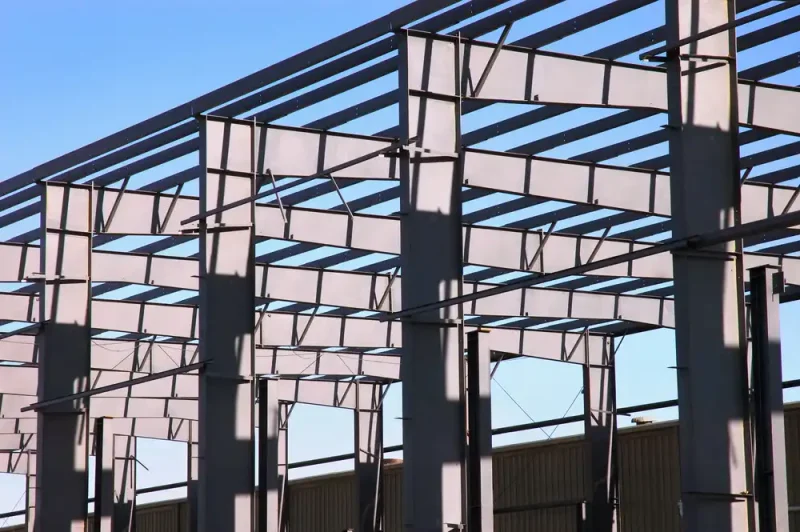
Steel framing is often used in commercial and industrial buildings due to its strength and resistance to pests, fire, and moisture. In some high-end residential projects or areas prone to termites or severe weather, steel framing is becoming an attractive alternative to wood.
Engineered Framing Systems
Engineered wood products like LVL (Laminated Veneer Lumber), trusses, and I-joists are increasingly popular because they offer greater uniformity, strength, and resistance to warping. These systems are often used in custom homes and high-performance buildings.
Key Components of a Framed Structure
A well-framed structure consists of several critical elements:
- Studs: Vertical pieces that make up the walls
- Joists: Horizontal framing members that support floors and ceilings
- Rafters or Trusses: Structural components that form the roof system
- Beams: Large horizontal supports that carry the weight of upper floors or roofs
- Headers: Short beams above windows and doors that distribute loads
- Sheathing: Plywood or OSB panels that cover exterior walls, floors, and roofs, adding rigidity
All of these elements must be properly sized and spaced to ensure the building meets local codes and performs as intended.
Why Quality Framing Matters
Framing is more than just putting up walls. Done correctly, it ensures:
- Structural Integrity: The frame supports the weight of the entire building and transfers loads safely to the foundation.
- Straight, Level Surfaces: Good framing ensures walls are plumb and corners are square, which is critical for finish work like cabinetry, tile, and trim.
- Energy Efficiency: Proper spacing and alignment allow for better insulation and air sealing, leading to lower energy costs.
- Fewer Costly Fixes Later: Accurate framing reduces the risk of settling, cracking, or misaligned features down the line.
Construction Framing FAQ
Construction framing is the process of building the structural skeleton of a home or commercial property. It includes the walls, floors, ceilings, and roof systems that give the building its shape, strength, and support. Framing acts as the backbone of the structure and supports everything that comes after, including roofing, drywall, insulation, siding, windows, and interior finishes.
Framing is one of the most important stages of any construction project because it determines the structural integrity of the building. Poor framing can lead to uneven floors, cracked drywall, roof problems, poor insulation performance, and costly repairs later. Quality framing ensures the building is strong, safe, level, and built to last for many years.
The most common type of residential framing is wood framing. Wood framing is cost-effective, versatile, and widely used for homes across North America. Platform framing is the most common modern method, where each floor is framed separately. Balloon framing is an older method that uses long continuous wall studs from the foundation to the roof, but it is less common today.
Platform framing is a construction method where each floor of the building is framed separately. The floor platform is built first, then the walls are constructed on top of it. This process is repeated for each level of the structure. Platform framing is popular because it is safer, faster, and more efficient for most residential building projects.
Steel framing uses steel studs and structural components instead of wood. It is commonly used in commercial and industrial construction because of its strength, fire resistance, moisture resistance, and protection against pests like termites. Some residential projects also use steel framing, especially in areas with severe weather or termite concerns.
Engineered framing systems use products like laminated veneer lumber (LVL), I-joists, and roof trusses. These materials are designed for greater strength, consistency, and durability compared to traditional lumber. They resist warping, twisting, and shrinking, making them a popular choice for custom homes and high-performance buildings.
Several important components work together to create a strong framed structure. Studs are vertical pieces that form the walls. Joists are horizontal members that support floors and ceilings. Rafters and trusses create the roof system. Beams carry heavy loads across large spaces. Headers are installed above windows and doors to distribute weight. Sheathing adds strength and stability to walls, floors, and roofs.
The time required for framing depends on the size and complexity of the project. A standard single-family home may take several days to a few weeks, while larger custom homes or commercial buildings may take longer. Weather conditions, material availability, and project design can also affect the timeline.
Yes. Even small framing mistakes can create major issues later. Crooked walls, uneven floors, roof sagging, poor door and window alignment, and drywall cracks are often caused by poor framing. Improper framing can also reduce energy efficiency and create structural safety concerns. That is why precision during framing is critical.
Proper framing helps create straight walls, correct spacing, and better alignment for insulation and air sealing. This improves the overall energy efficiency of the building by reducing air leaks and helping insulation perform properly. Well-built framing can lead to lower heating and cooling costs over time.
Yes. All framing work must meet local building codes and safety standards. Building codes regulate the size, spacing, and placement of structural components to ensure the building is safe and stable. At HLS Construction, every framing project is completed according to local code requirements and industry best practices.
Yes. HLS Construction provides framing services for both residential and commercial projects. Whether you are building a new home, adding a second story, remodeling an existing structure, or constructing a commercial space, our team has the experience and precision needed to complete the framing correctly.
During the framing phase, homeowners will begin to see the actual shape of the structure take form. Walls go up, rooms become visible, and the roof system is installed. This is one of the most exciting parts of construction because the project starts to feel real. Inspections are often completed during this stage to confirm code compliance before moving to the next phase.
Absolutely. Framing is a major part of home additions such as room expansions, garage conversions, second-story additions, and covered patios. Matching the new framing to the existing structure requires careful planning to ensure strength, safety, and a seamless finished appearance.
HLS Construction understands that framing is the foundation of every successful build. Our skilled team works closely with architects, engineers, and contractors to ensure every measurement is accurate and every structure is built for long-term durability. We use quality materials, follow strict safety standards, and focus on precision from start to finish.
Yes. Custom homes often require advanced framing techniques, engineered systems, and careful coordination with unique architectural plans. HLS Construction works with custom home builders and homeowners to create framing solutions that support both the design vision and structural requirements of the project.
Once framing is complete and inspections are approved, the next stages of construction begin. These include roofing, electrical work, plumbing, HVAC installation, insulation, drywall, windows, doors, and exterior finishes. Strong framing ensures all of these next steps can be completed smoothly and accurately.
The best way to start is by scheduling a consultation with HLS Construction. Our team will review your plans, discuss your project goals, and help determine the best framing approach for your home or commercial build. From new construction to additions and remodels, we provide dependable framing services designed for strength, safety, and long-term performance.
Framing Done Right with HLS Construction
At HLS Construction, we treat framing as the foundation of everything that follows. Our team of skilled framers works closely with architects, engineers, and general contractors to ensure every measurement is exact, every angle is right, and every structure is built to last. We use high-quality materials and always follow local building codes and safety standards.
Whether you’re building a new home, adding a second story, or framing a commercial space, HLS Construction delivers framing services you can trust—from the first nail to the final walkthrough.
Ready to frame your next project with precision and care? Contact HLS Construction today to schedule a consultation.